
23 — Work
Root canal treatment and endodontic care
Diagnose the pulp and tissues around the root, decide whether the tooth is maintainable, and connect internal treatment to a durable restoration and follow-up.
Original editorial concept · temporary
What it is
Root canal treatment treats the pulp chamber and root canal system inside a tooth; it does not remove the root. A responsible recommendation begins with a pulpal diagnosis and an apical diagnosis, then asks whether the tooth is restorable and maintainable. Symptoms, sensibility tests, percussion or palpation, periodontal findings, cracks, caries, prior treatment, and appropriately selected imaging contribute different information. Depending on the diagnosis, reasonable paths can include observation, caries control, vital pulp treatment, nonsurgical root canal treatment, retreatment, endodontic surgery, extraction with or without replacement, or no immediate treatment. A webpage cannot diagnose a tooth, select a procedure, or predict its outcome.
For
01
Someone with persistent temperature pain, spontaneous pain, pain on biting, swelling, trauma, deep caries, a crack, or another finding that may involve the dental pulp or tissues around a root.
02
A patient comparing monitoring, caries management, vital pulp treatment, root canal treatment, retreatment, endodontic surgery, extraction, replacement, or no immediate treatment where appropriate.
03
Someone reviewing whether a tooth is restorable, why treatment may take one or more visits, what can change the plan, and how the tooth will be restored and monitored afterward.
01 — Diagnose pulp and apical tissues
History, symptoms, clinical tests, cracks, caries, restorability, periodontal findings, prior treatment, and question-led imaging are combined. No symptom, cold response, or radiographic finding is interpreted in isolation.
02 — Decide whether retention is responsible
Remaining tooth structure, fracture pattern, periodontal support, canal anatomy, strategic value, restorative plan, medical factors, patient priorities, and reasonable alternatives shape whether treatment is justified.
03 — Control the field and reach the system
After case-specific anesthesia, the tooth is isolated with a dental dam. Access is created to locate the canals while balancing visibility, safe instrument paths, and preservation of sound structure.
04 — Clean, shape, and disinfect
Working length, instruments, irrigants, and activation are selected for anatomy and risk. The objective is microbial and tissue control throughout a complex canal system—not a claim that every microscopic space becomes sterile.
05 — Fill and seal the pathway
When conditions support completion, the prepared canal space is filled and sealed. A temporary or definitive coronal seal protects the access while the restorative phase is completed.
06 — Restore, review, and maintain
The final restoration follows the remaining structure, tooth position, crack and load, not a universal crown rule. Symptoms, function, coronal seal, and apical healing are reviewed over time.
Endodontic decision guide
Treat the diagnosis, preserve the tooth when the prognosis supports it, and plan the restoration from the start.
A useful endodontic plan explains what the pulp and apical findings mean, what remains uncertain, whether vital tissue can be preserved, whether the tooth can be predictably restored, how the canal system will be managed, and what follow-up or escalation would change the next decision.
Pulpal and apical diagnoses answer different questions
The pulp diagnosis describes the condition of tissue inside the tooth; the apical diagnosis describes the tissues around the root end. A tooth can have pain without a visible apical lesion, or an apical radiolucency with few symptoms. Current terminology is evolving as evidence on graded pulp inflammation and vital pulp therapy develops, so the clinician should record the actual findings rather than force a symptom into a marketing label.
Pain location and intensity do not prove which tooth is responsible
Temperature, biting, spontaneous, referred, lingering, positional, and intermittent pain can overlap with cracks, periodontal disease, sinus disease, TMD, neuropathic pain, adjacent teeth, or non-dental causes. History is combined with sensibility testing, percussion, palpation, bite and crack assessment, periodontal probing, restoration and caries evaluation, and imaging selected for a defined question. Uncertain or inconsistent findings may justify reassessment or referral before irreversible treatment.
Vital pulp treatment is a real alternative in selected teeth
Deep caries or a pulp exposure does not automatically make complete pulp removal the only path. Depending on symptoms, bleeding and tissue findings, restorability, contamination control, patient factors, material and technique, vital pulp procedures may preserve some or all functioning pulp. Evidence and diagnostic limits mean this is case selective; it should not be presented as a guaranteed way to avoid future root canal treatment.
Restorability and prognosis come before access
Root canal treatment can address internal pulpal or canal infection, but it cannot correct an unrestorable fracture, inadequate remaining tooth, uncontrolled periodontal disease, an unmanageable defect, or a restorative plan that cannot provide a durable coronal seal. Strategic value, technical difficulty, adjacent teeth, replacement pathways, time, cost, maintenance, patient preference, and specialist consultation can all alter the retention-versus-extraction decision.
Imaging should be proportional to the question
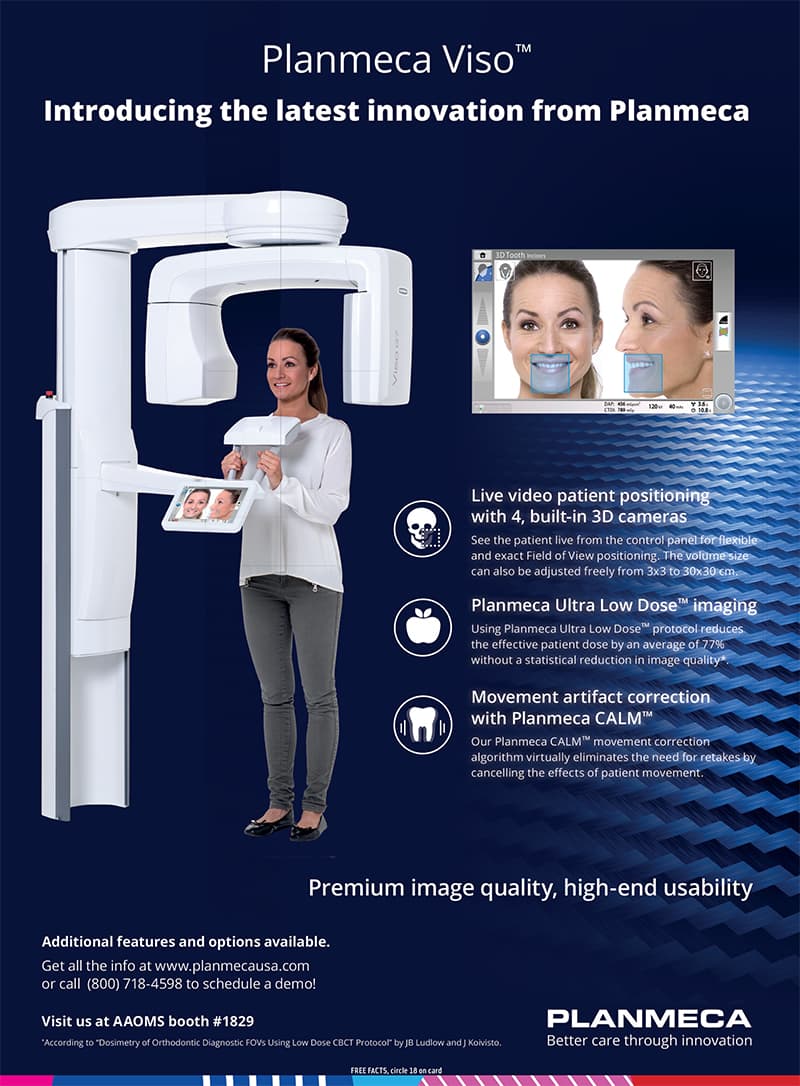
Intraoral radiographs commonly contribute to diagnosis, anatomy, working-length and outcome assessment. Limited-field CBCT can add three-dimensional information for selected complex anatomy, resorption, trauma, nonhealing, suspected fracture, or surgical questions, but professional guidance does not support routine CBCT for every endodontic patient. The expected diagnostic benefit, field of view, radiation exposure, prior images, and interpretation responsibility belong in the decision.
Local anesthesia and sedation are separate decisions
Local anesthesia is used to control procedural sensation, but inflamed tissues, anatomy, medical history, and individual response can affect the anesthetic plan and whether supplemental techniques are needed. Sedation may help selected patients tolerate care; it does not replace local anesthesia, diagnosis, monitoring, rescue capability, or recovery instructions. No webpage can promise sleep, amnesia, no pain, a drug, or a modality.
Dental-dam isolation is a safety and infection-control step
A dental dam isolates the treated tooth from saliva, improves control of the operating field, and helps protect the airway and oral tissues from instruments, irrigants, and materials. Endodontic treatment standards treat this isolation as required for nonsurgical root canal treatment. Latex sensitivity, tooth access, clamp placement, and damaged tooth structure still require case-specific planning.
Access, working length, cleaning, shaping, and irrigation are connected
The access must permit canals to be found and managed without unnecessary removal of sound structure. Working length and anatomy guide instrument and irrigation depth. Mechanical preparation creates a pathway for irrigants and filling, but untouched fins, isthmuses, lateral anatomy, calcification, curvature, prior materials, and microbial biofilm limit what instruments alone can reach. Irrigants are antimicrobial and tissue-dissolving chemicals that require concentration, delivery, activation, needle, pressure, and extrusion-risk controls.
Filling the canals is not the same as restoring the tooth
After cleaning and shaping, the canal system is filled with a core material and sealer according to the case, then protected from coronal contamination. Root filling, core build-up, post placement, and the final restoration are separate decisions. A post may help retain a core when structure is insufficient; it does not strengthen every root-filled tooth and is not automatically required.
One visit and multiple visits can both be appropriate
Current comparative evidence does not establish one visit schedule as universally superior. Diagnosis, infection and exudate control, swelling, retreatment, anatomy, procedural events, patient tolerance, restorative coordination, and whether the canals can be safely completed can favor one or more appointments. An interappointment medication or temporary restoration is a planned phase, not proof of failure or a promise of a fixed timeline.
Risks and procedural limits belong in consent
Possible issues include incomplete anesthesia; postoperative pain or swelling; flare-up; inability to locate or negotiate anatomy; blockage, ledge, transportation, perforation, or instrument separation; irrigant or filling-material extrusion; damage to a restoration or tooth; missed anatomy; persistent or recurrent infection; discoloration; crack or fracture; loss of coronal seal; delayed or incomplete healing; and future retreatment, surgery, extraction, or replacement. Technical difficulty and individual likelihood cannot be predicted from a webpage.
Antibiotics and pain medicine do not replace definitive care
For most pulpal and localized periapical pain conditions in immunocompetent adults, ADA guidance prioritizes definitive dental treatment rather than routine systemic antibiotics; systemic involvement, spreading infection, immune status, and other clinical factors change that decision. Nonopioid analgesics are generally first line for acute dental pain when medically appropriate, but allergies, pregnancy, kidney, liver, gastrointestinal, bleeding, cardiovascular, medication-interaction, and age factors require individualized instructions. This page provides no drug or dose recommendation.
The coronal restoration is part of the endodontic prognosis
A prompt, well-sealed restoration reduces contamination and returns the tooth to function. The choice among a direct restoration, onlay or other partial coverage, crown, core, or post-and-core depends on tooth type, remaining walls and cusps, access size, cracks, ferrule, periodontal and occlusal conditions, esthetic needs, and restorative evidence. Root canal treatment does not automatically require a crown, and a crown cannot rescue an unrestorable tooth.
Healing is reviewed; persistent disease has more than one pathway
Symptoms can improve before radiographic tissues finish healing, and an image can remain uncertain without a complete clinical comparison. Follow-up considers pain, swelling, sinus tract, tenderness, function, restoration, and serial imaging when indicated. New or persistent disease may lead to observation, nonsurgical retreatment, endodontic surgery, extraction, or another diagnosis. Swelling, fever, malaise, trismus, or spreading infection needs prompt professional care; difficulty breathing or swallowing, rapidly progressive facial or neck swelling, confusion, or another life-threatening emergency requires 911 or the nearest emergency department.
Continue the evaluation
Clinical reading
General information only. Diagnosis, treatment, risks, alternatives, and expected recovery are individual and require a clinical evaluation.
- ESE S3 guideline: Treatment of pulpal and apical disease ↗
- AAE: Treatment Standards executive summary ↗
- AAE: Root Canal Explained ↗
- AAE: Glossary of Endodontic Terms ↗
- AAE: Vital Pulp Therapy position statement ↗
- AAE/AAOMR: CBCT in endodontics joint position statement ↗
- ESE: Restoration of root-filled teeth position statement ↗
- Cochrane: Single versus multiple visits for permanent teeth ↗
- ADA: Antibiotics for pulpal and periapical pain and swelling ↗
- ADA: Acute dental pain living guideline ↗
- AAE: Endodontic retreatment explained ↗
A responsible root canal plan should make six things clear: the pulpal and apical diagnoses, whether the tooth is restorable, the reasonable alternatives, the procedural and anesthetic boundaries, the restorative plan, and how healing or persistent disease will be reviewed.
Request a visit