
05 — Work
Full-mouth rehabilitation
A comprehensive plan for teeth, tissues, function, and appearance—with concentrated care only when the diagnosis allows it.
What it is
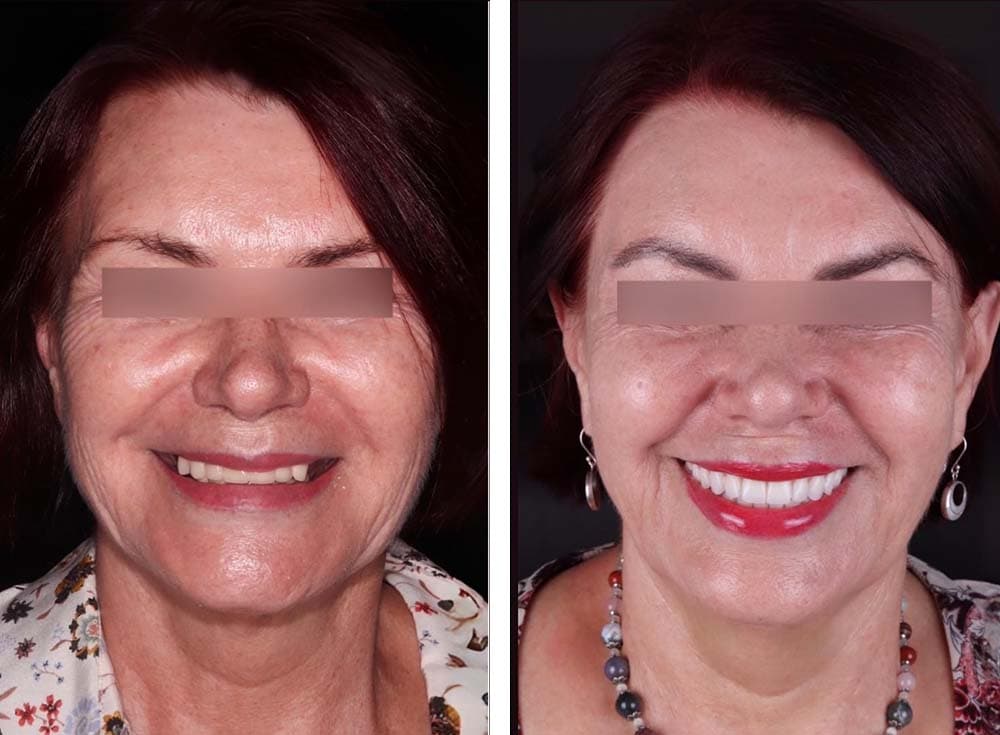
Full-mouth rehabilitation describes extensive care that affects all or most teeth; it is not one standardized operation. Depending on the diagnosis, a plan may combine treatment of periodontal disease, preservation or restoration of teeth, replacement of missing teeth, implants, removable or fixed prostheses, orthodontic input, and a provisional phase before definitive restorations. Full-mouth rehabilitation is not synonymous with removing every tooth, and it is not automatically an implant procedure. The sequence is determined by health, prognosis, anatomy, function, restorative objectives, informed preferences, and maintenance needs.
For
01
Widespread wear, fractures, missing teeth, periodontal problems, or repeated failure across many restorations.
02
A case in which several disciplines or treatment phases must be sequenced around one diagnosis and restorative objective.
03
A patient seeking a second opinion about what can be preserved, what should be replaced, and which parts of care must remain staged.
01 — Diagnose the whole mouth
The history and examination bring together periodontal health, tooth prognosis, existing restorations, missing teeth, wear, function, appearance, appropriate imaging, and the patient’s priorities.
02 — Compare and sequence
The written plan identifies reasonable alternatives, what can be preserved, which disease or structural problems come first, and how surgical, restorative, and laboratory phases connect.
03 — Test when appropriate
Mock-ups, removable options, provisional restorations, or other reversible steps may help evaluate appearance, speech, comfort, function, and cleanability before definitive work.
04 — Complete and maintain
Definitive restorations follow the required healing and reassessment. Home care, professional maintenance, risk-factor control, and plans for repair or replacement are discussed before treatment is considered complete.
Reconstruction guide
How a full-mouth plan earns its sequence.
The valuable part of a complex reconstruction is not the number of procedures performed at once. It is the discipline to define the problem, compare reasonable paths, test what can be tested, and complete each phase without outrunning biology.
Full-mouth and full-arch are different terms
Full-mouth rehabilitation may restore a mixture of natural teeth, implants, and missing spaces across both arches. Full-arch implant treatment replaces all teeth in one arch with an implant-supported prosthesis. A patient may need one, the other, or a combination; the diagnosis—not the label—defines the plan.
Records answer specific questions
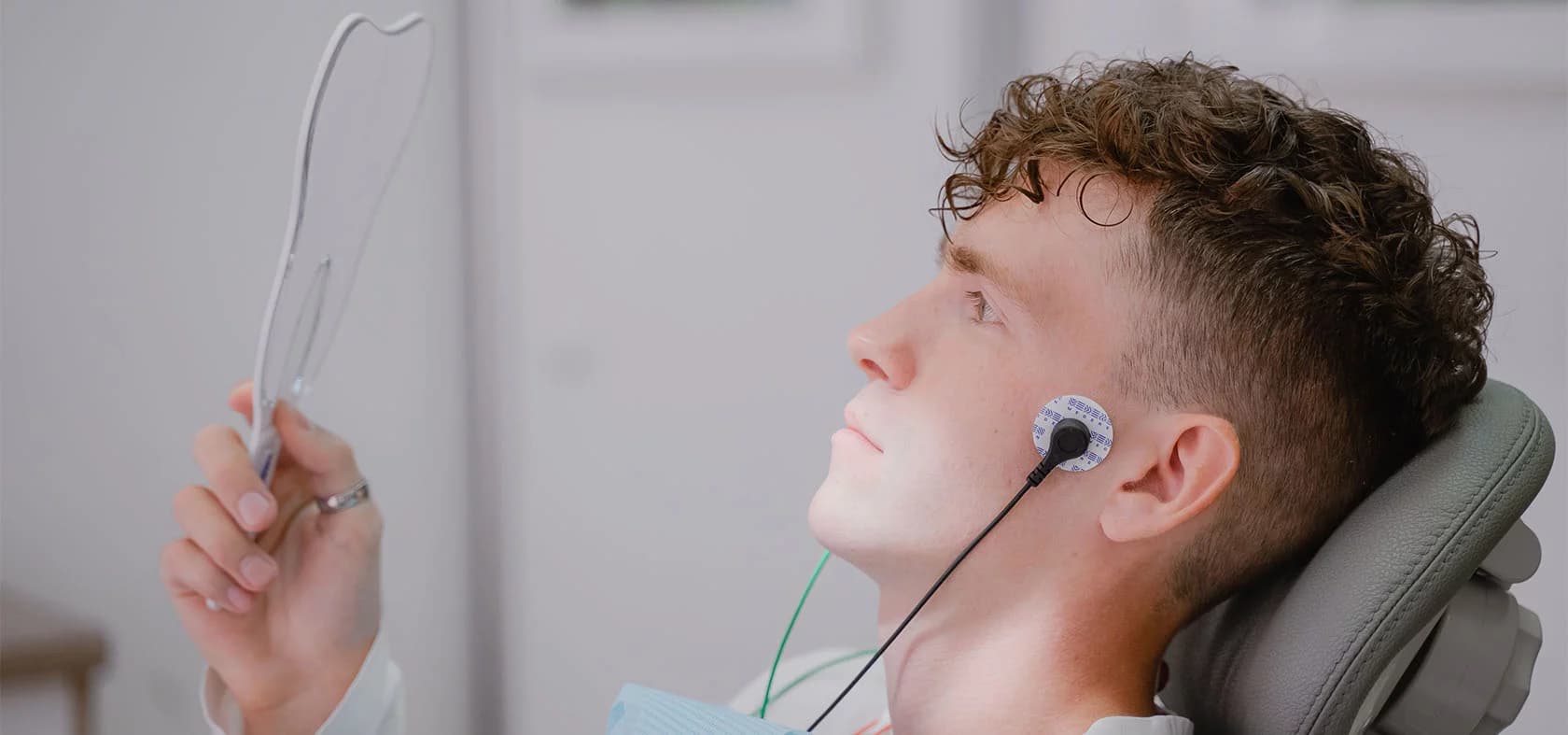
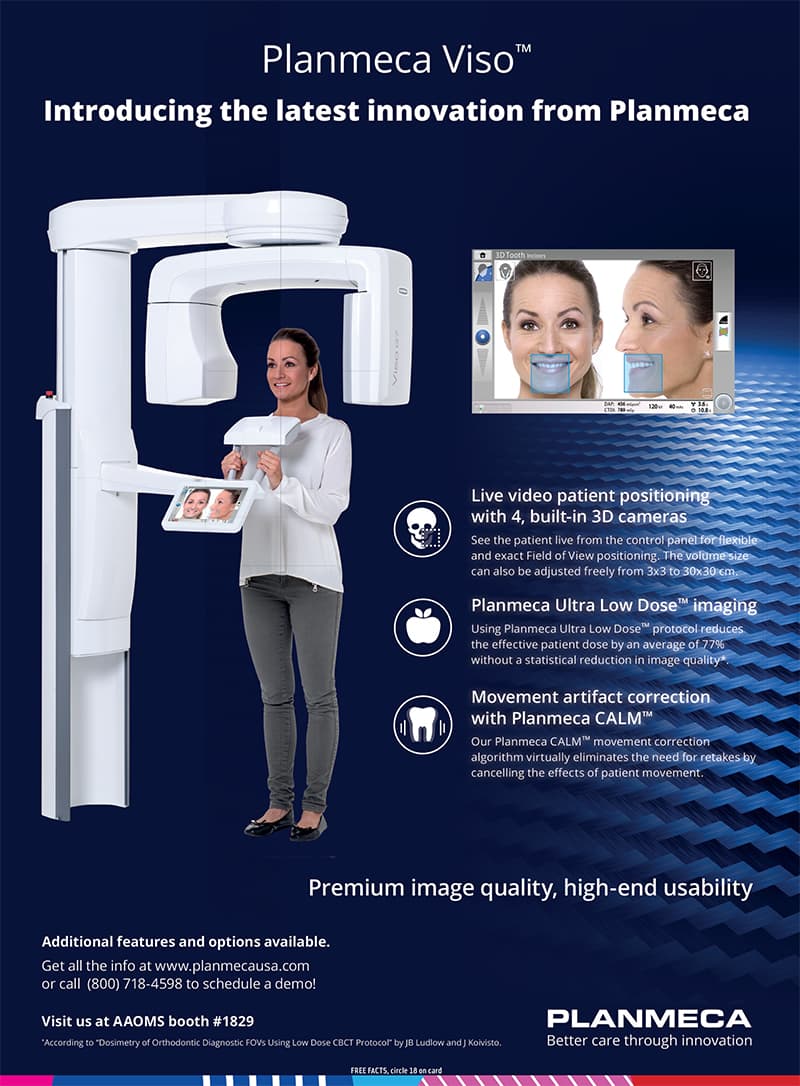
A complex work-up may include periodontal and restorative charting, photographs, scans or impressions, appropriate radiographs or three-dimensional imaging, assessment of tooth structure and existing work, and evaluation of function or symptoms when relevant. Each record should have a reason and a consequence for planning.
Preserve, restore, or replace
Every tooth receives a prognosis in the context of the whole plan. Options can include disease control, restoration, orthodontic movement, periodontal or endodontic treatment, extraction, a removable prosthesis, a tooth-supported restoration, or an implant-supported solution. A coordinated plan should explain why one path is preferred and what is being traded away.
Provisional work is a clinical phase
A provisional can protect prepared teeth or provide an interim restoration over implants while making the proposed shape, bite, speech, appearance, and hygiene access observable. It may need refinement while tissues heal or the plan is tested. Definitive restorations are completed only after the necessary review; materials and timing remain case-specific.
A concentrated visit has boundaries
For selected cases, several coordinated steps may occur during one planned visit and a provisional restoration may be delivered. That does not mean the diagnosis, healing, definitive restoration, or maintenance happens in one day. Medical review, infection, anatomy, grafting, implant stability, tissue response, and unexpected findings can require a staged approach.
Consent and maintenance are part of the result
The discussion should cover procedure-specific risks, alternatives, likely stages, recovery, the possibility of complications or revisions, and the limits of the proposed result. Natural teeth, implants, ceramics, resins, and screws all require care and can fail; individualized maintenance and follow-up are part of the treatment plan.
A related plate
One sequenceClinical reading
General information only. Diagnosis, treatment, risks, alternatives, and expected recovery are individual and require a clinical evaluation.
Complex care should feel considered, not hurried. Concentration is valuable only when diagnosis, informed choice, safety, healing, and restorative accuracy remain in control.
Request a visit