
04 — Work
Occlusion and restorative planning
Understand how the teeth contact—without turning every symptom into a bite diagnosis.
What it is
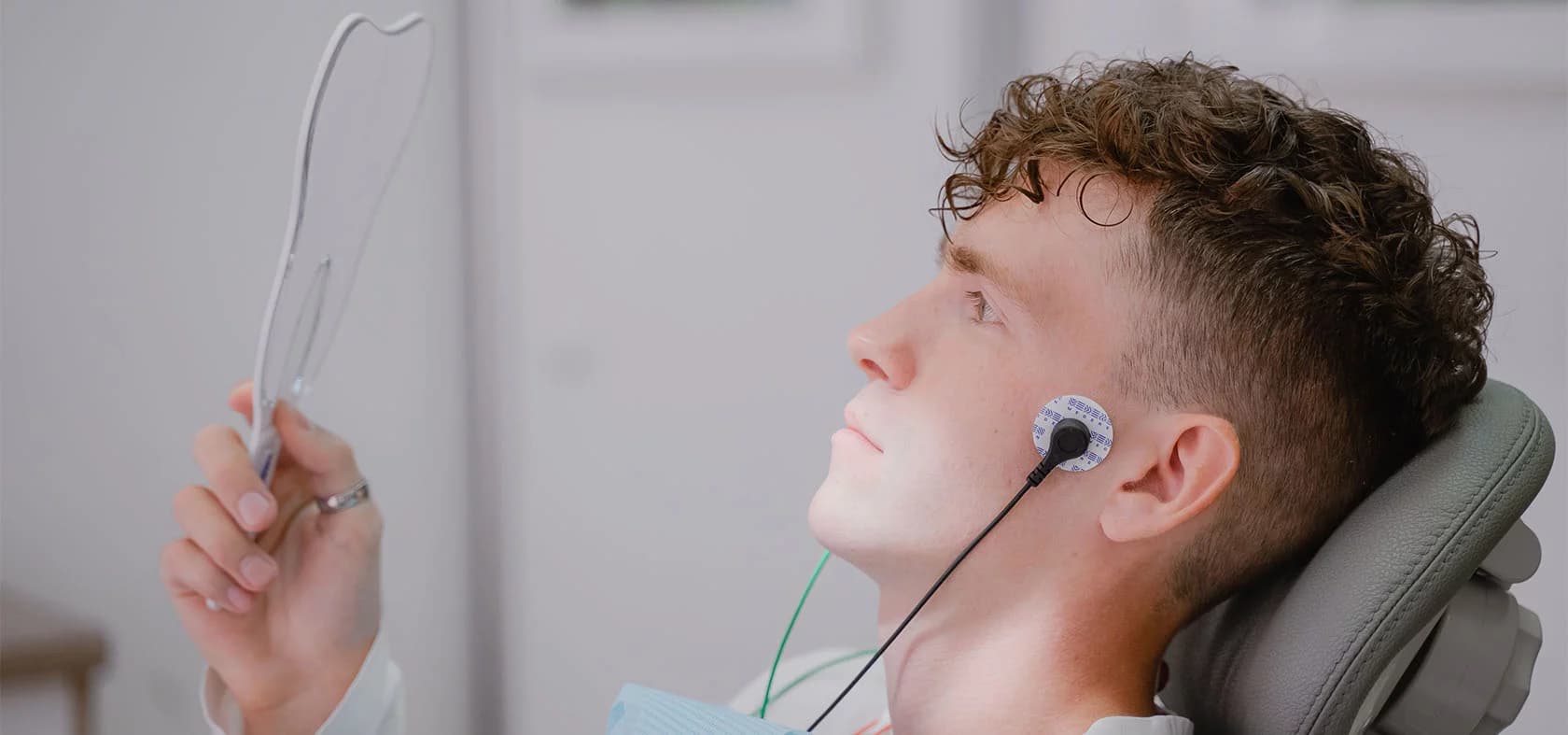
Occlusion describes the contacts between teeth when the jaws close and during movement. It is not, by itself, a diagnosis or a universal explanation for jaw pain. A useful evaluation connects the patient's history with the teeth, restorations, periodontal support, wear pattern, muscles, joints, habits, function, and relevant medical or sleep questions. Photographs, scans or impressions, contact records, imaging, jaw tracking, surface electromyography, or TENS may be considered when a defined question makes the information relevant, but no device or bite record establishes a temporomandibular-disorder diagnosis on its own. Restorative changes should address a documented dental need—not promise to cure TMD by correcting a supposed bad bite.
For
01
Wear, fractures, mobility, or repeated damage to teeth and restorations that needs a cause-based assessment.
02
A new or changing bite, jaw or facial symptoms, or difficulty chewing that requires a broader differential evaluation.
03
A complex reconstruction in which proposed changes to tooth shape, position, or contact must be justified and tested cautiously.
01 — Name the problem
History and examination distinguish tooth wear, fracture, restoration failure, mobility, pain, altered contact, and esthetic or functional concerns rather than labeling them all as an occlusal disorder.
02 — Record with purpose
Photographs, scans, contact records, imaging, or functional measurements are selected only when they can answer a question or change the plan.
03 — Test before committing
When extensive restorative change is indicated, a reversible appliance, mock-up, or provisional phase may help assess the proposed design before definitive treatment; it cannot guarantee adaptation or long-term comfort.
Occlusion guide
A bite is measured in context—not blamed by default.
Teeth must contact and restorations must carry load, but current evidence does not support treating malocclusion as the general cause of temporomandibular disorders. The question is whether an occlusal finding matters to this dental diagnosis and whether changing it offers a proportionate benefit.
What the examination brings together
The record may include the timing of symptoms or failures, chewing function, recent dental changes, tooth and restoration condition, cracks, mobility, periodontal support, wear and erosion, contacts and movement, muscles and joints, parafunctional habits, and patient priorities. A sudden change in the bite may require evaluation for dental, joint, inflammatory, neurologic, traumatic, or other causes.
Wear is a finding, not a single diagnosis
Attrition from tooth contact, chemical erosion, abrasion, developmental conditions, habits, reduced saliva, reflux or dietary exposure, and failing restorations can overlap. The shape of wear alone does not prove active bruxism or identify the treatment it needs.
Restorative need is separate from TMD treatment
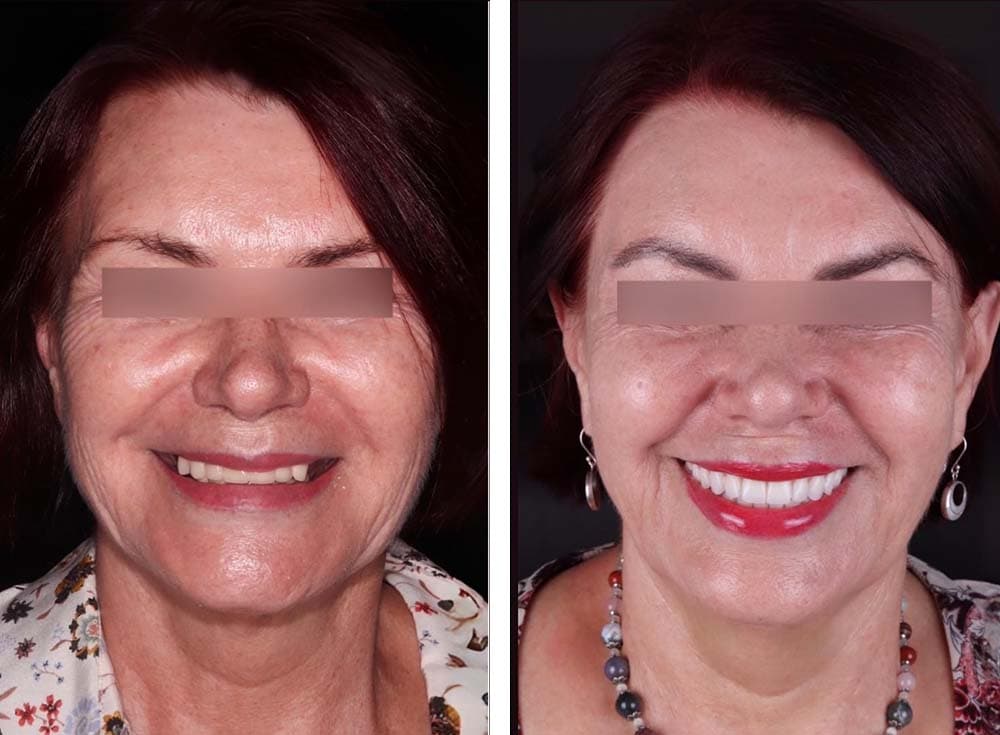
Changing tooth contacts may be necessary to restore lost structure, replace failing work, improve stability, create restorative space, or coordinate a larger rehabilitation. That indication should be documented separately from a claim that the bite caused jaw pain. NIDCR advises against irreversible bite-changing procedures as a routine treatment for TMD because evidence of benefit is insufficient and symptoms can worsen.
Records and devices remain adjuncts
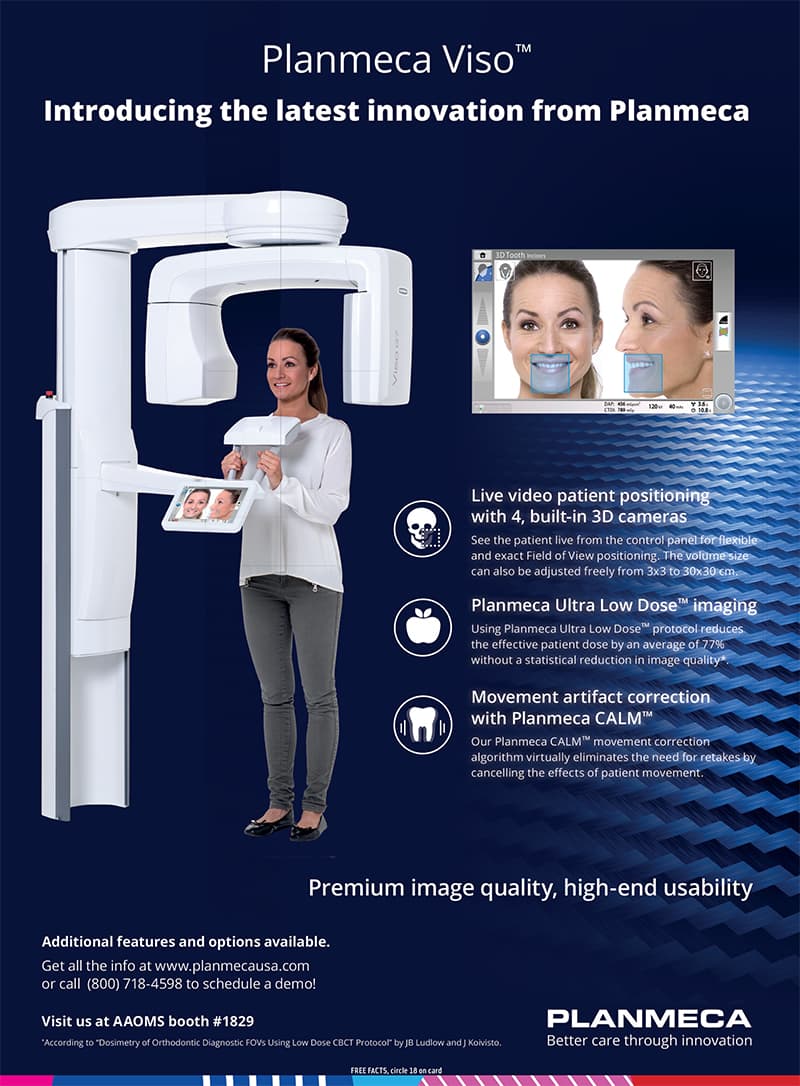
Scans, mounted casts, contact indicators, computerized jaw tracking, surface electromyography, TENS, and imaging can describe selected features. Their value depends on the clinical question, measurement limitations, and whether the result changes care. They do not replace the history, examination, differential diagnosis, or appropriate referral.
Reversible and provisional phases
A protective appliance, diagnostic mock-up, or provisional restoration can provide information about protection, appearance, speech, hygiene, contacts, and the proposed restorative sequence. Evidence for an evaluation phase in worn-dentition care is not conclusive, so a trial should be described as a cautious planning step—not proof of the final result.
When definitive change is considered
Options can include monitoring, risk-factor control, repair, additive restoration, orthodontic input, replacement of failing work, or more extensive reconstruction. Tooth reduction should be limited to what the diagnosis and material plan require. The least irreversible option that can meet the objective deserves explicit consideration.
Risks and adaptation
Irreversible treatment may involve tooth reduction, sensitivity, pulpal or endodontic complications, fracture, decay, periodontal or hygiene concerns, altered contacts, muscle or joint symptoms, and future repair or replacement. People often adapt to modest changes, but individual response cannot be guaranteed and persistent symptoms require reassessment rather than automatic further adjustment.
Maintenance belongs in the design
The plan should explain home care, professional review, appliance use when indicated, management of erosion or loading risks, and how repairs will be handled. Extensive work remains biologic and mechanical treatment that can fail; it is not a permanent reset of the mouth.
Continue the evaluation
A related plate
The lower thirdClinical reading
General information only. Diagnosis, treatment, risks, alternatives, and expected recovery are individual and require a clinical evaluation.
A defensible occlusal plan explains the dental problem, why each record is needed, what remains reversible, and what an irreversible change can—and cannot—reasonably accomplish.
Request a visit