
03 — Work
Smile design
A smile plan begins with diagnosis, not a package of procedures.
Original editorial concept · temporary
What it is
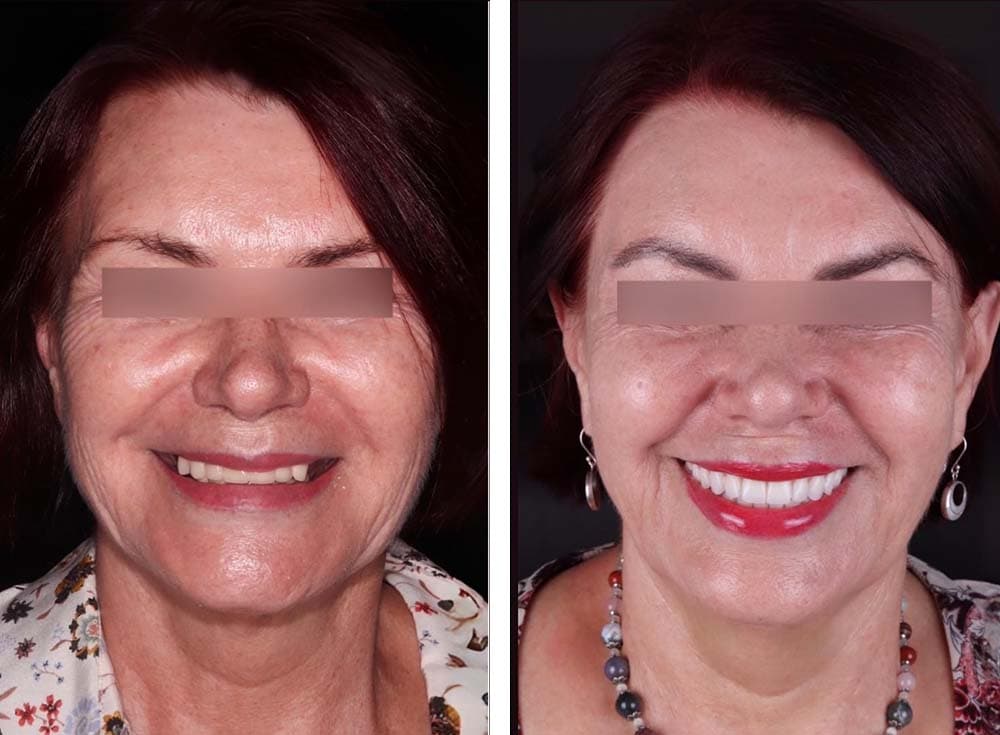
A “smile makeover” is a marketing umbrella, not one diagnosis or one operation. A responsible smile plan begins by identifying which concerns come from tooth color, shape, position, wear, missing structure, gum health, existing restorations, or a functional problem. The options can then be compared by biological cost, reversibility, expected maintenance, risk, and the patient's priorities. Photographs, digital designs, wax-ups, or trial mock-ups may help people and clinicians discuss proportions and proposed changes, but a preview is a communication and planning aid—not a guarantee of the clinical result.
For
01
Color, shape, spacing, position, wear, or previous dental work that feels out of proportion with the face.
02
Someone who wants to compare whitening, orthodontics, bonding, veneers, crowns, tissue treatment, and no treatment before altering healthy tooth structure.
03
A larger esthetic-restorative case that needs periodontal health, function, laboratory communication, and maintenance planned together.
01 — Define the concern
History, examination, photographs, periodontal health, tooth structure, color, alignment, existing dentistry, function, and the patient's own priorities establish what needs to change—and what should remain untouched.
02 — Compare the least irreversible options
Cleaning, whitening, orthodontics, direct composite, contouring, periodontal care, veneers, crowns, replacement of missing teeth, and no treatment solve different problems and carry different tradeoffs.
03 — Preview when useful
A digital proposal, wax-up, or removable mock-up may improve communication about shape, length, midline, and the relationship to the face. It does not reproduce every biological, optical, or functional variable.
04 — Sequence health before elective restoration
Active decay, gum disease, unstable tooth structure, and unresolved functional concerns are addressed before definitive elective restorations. Tissue procedures and orthodontics require their own diagnosis and consent.
05 — Deliver, review, and maintain
Fit, contour, color, bite, speech, cleanability, and patient feedback are reviewed. Natural teeth and restorations continue to need home care, professional review, and possible repair or replacement.
Smile-planning guide
The right result may involve more treatment, less treatment, or none at all.
The purpose of design is to make the decision clearer before anything irreversible happens. It should expose alternatives and limitations—not simply make one treatment look inevitable.
A smile makeover is not a standardized procedure
The term can refer to one conservative change or a sequence across several disciplines. Every component—whitening, movement, bonding, ceramic restoration, gum treatment, or tooth replacement—needs its own indication. Bundling them under one name does not remove the need for diagnosis, alternatives, consent, and maintenance.
Color, position, and missing structure are different problems
Whitening can change the color of some natural teeth but not existing veneers, crowns, or fillings. Orthodontic treatment moves teeth rather than masking their position. Direct composite can add or repair tooth-colored material. Veneers cover primarily the front surface; crowns cover more tooth structure. No single option is automatically the most conservative in every case.
Health comes before elective appearance
Decay, active gum disease, cracks, failing restorations, erosion, tooth wear, and symptoms require assessment before elective ceramics. Placing a restoration over untreated disease can make the underlying problem harder to manage. Periodontal treatment or restorative stabilization may change the proposed contour or timing.
Preservation is a design constraint
The plan should state which teeth are healthy, which surfaces would be altered, whether enamel removal is expected, and whether a less invasive option can meet the same priority. “Minimal-prep” and “no-prep” are case descriptions, not universal promises; adding thickness without appropriate space can create contour, bite, or hygiene problems.
Digital design is a conversation, not a forecast
Digital smile design can organize photographs and scans and may improve communication among the patient, dentist, and laboratory. A physical or digital mock-up can help evaluate a proposal before definitive treatment. Current research is heterogeneous, so a simulation should not be presented as proof that tissue response, color, speech, comfort, or longevity will match the preview.
The patient's perception belongs in the plan
Facial and dental proportions are planning references, not a mathematical definition of beauty. Tooth display, age, lip movement, asymmetry, texture, translucency, and cultural or personal preferences matter. Consent includes the intended character of the result as well as its clinical limitations.
Function is evaluated without turning it into a cure claim
Wear, clenching, grinding, deep overbite, limited restorative space, and prior fractures can influence material and design. They do not justify claiming that elective smile treatment will cure TMD, headaches, sleep problems, or facial aging. Any functional or pain diagnosis remains separate from the esthetic decision.
Maintenance is part of the design
Restorations can chip, fracture, debond, wear, discolor at margins, develop decay around them, or require repair or replacement. Gum levels and natural teeth can change. The plan should make cleaning practical and explain review, protective measures when indicated, and the possibility of future intervention without describing ceramics as permanent.
Continue the evaluation
A related plate
Length and lightClinical reading
General information only. Diagnosis, treatment, risks, alternatives, and expected recovery are individual and require a clinical evaluation.
The most refined plan is the one that can explain every change—and every tooth it chose not to change.
Request a visit