
How the clinic works
Clear answers before complex treatment.
You should not have to understand the details of every dental procedure to understand your own care. We start with the problem, explain what the examination shows, compare the choices, and outline what happens next.
Request a consultation →Begin with the problem
The treatment name comes after the diagnosis.
01
Worn, broken, or repeatedly repaired teeth
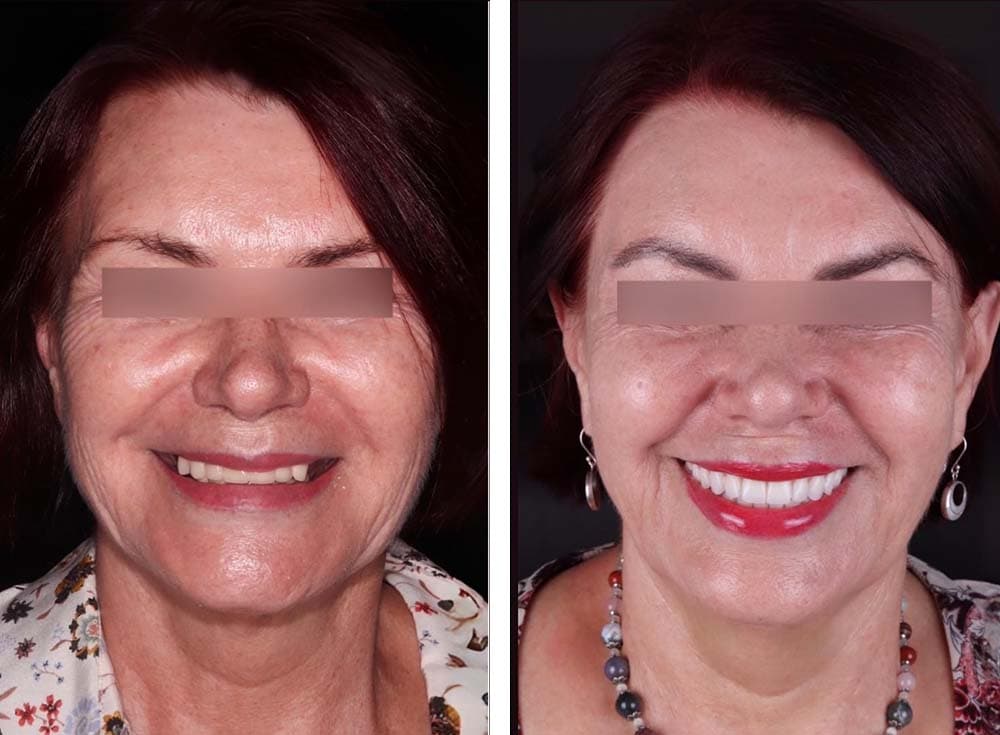
A full-mouth evaluation can identify what may be preserved and whether reconstruction should be staged.
Explore this concern →02
Many missing or failing teeth
Fixed and removable choices are compared before any full-arch implant plan is recommended.
Explore this concern →03
Gum disease or loss of support
The teeth, gums, bone, and existing implants are evaluated before periodontal or reconstructive care is planned.
Explore this concern →04
Jaw pain or difficult chewing
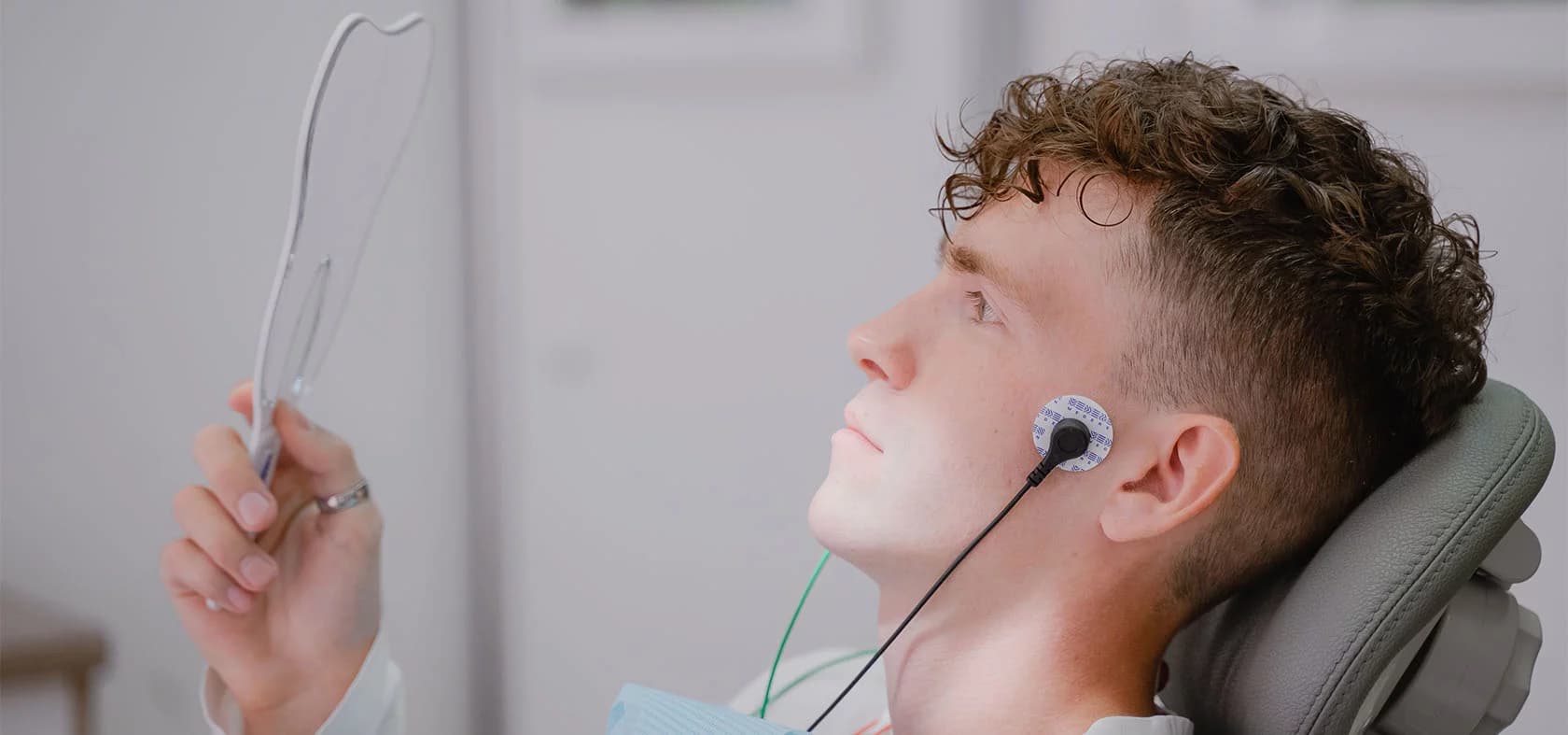
History and examination come first. Functional records are added only when they can help answer a clinical question.
Explore this concern →05
Dental anxiety or difficult treatment
Comfort and possible sedation options are discussed in relation to the procedure, medical history, and required monitoring.
Explore this concern →06
Painful or problematic wisdom teeth
The evaluation addresses anatomy, alternatives, surgical considerations, expected recovery, and warning signs.
Explore this concern →From first concern to follow-up
Five understandable steps before and through treatment.
01
Tell us what is happening
We begin with your symptoms, previous treatment, priorities, and the changes you have noticed.
02
Complete the clinical examination
The teeth, gums, bone, bite, joints, and existing dentistry are examined as the case requires.
03
Add only the records that matter
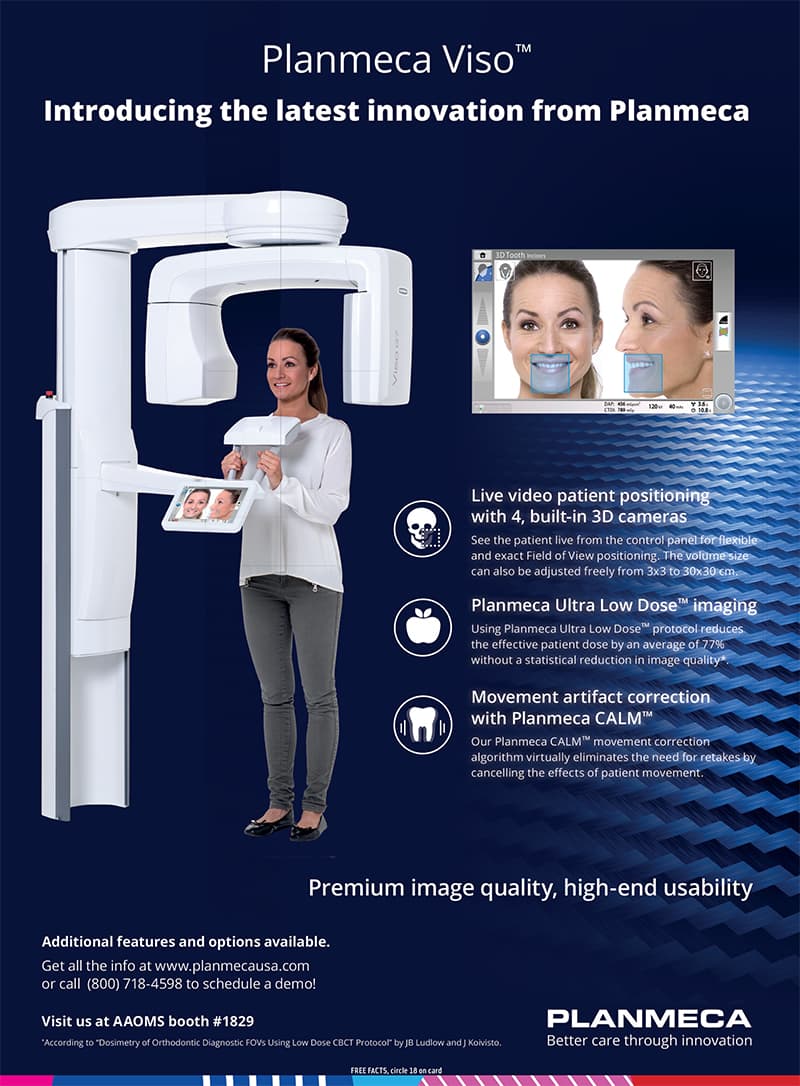
Photographs, scans, 3D imaging, or functional records are selected when they can clarify the diagnosis or change the plan.
04
Compare the options
The recommendation is explained alongside reasonable alternatives, limitations, timing, recovery, and the option of no treatment.
05
Agree on the sequence
If you choose treatment, the clinical phases, laboratory work, comfort plan, aftercare, and follow-up are organized together.
Records with a purpose
More information only when it helps.
A scan, photograph, or measurement is not the treatment. Each record should help answer a specific question about diagnosis, safety, anatomy, function, or the proposed result. If it will not change the decision, it should not complicate the explanation.


Clinical care and laboratory work
Coordinated in the same building.
For cases that require restorative or implant laboratory work, the clinical and laboratory teams coordinate the approved design, materials, fit, and treatment timing in the same building. The specific workflow still depends on the diagnosis and the treatment you choose.
See the laboratory →Comfort and sedation
Plan comfort before the treatment day.
Some patients are anxious, have a strong gag reflex, have difficulty remaining still, or need a longer procedure. Sedation may be considered for selected patients and procedures after medical review. The appropriate level, clinician, monitoring, preparation, escort, recovery, and alternatives are confirmed for the individual case; no option is promised before that evaluation.