
17 — Work
Tooth extraction
Remove a tooth only after its prognosis, alternatives, anatomy, and the next step are clear.
Original editorial concept · temporary
What it is
Extraction is a treatment decision, not the default answer to a difficult tooth. The first task is to establish the tooth's diagnosis and prognosis, consider whether it can be responsibly preserved, and understand the consequences of removing it. When extraction is appropriate, the technique, imaging, anesthesia, management of the socket, recovery plan, and any future replacement should be coordinated around the individual—not promised by a webpage.
For
01
Someone whose tooth has deep decay, fracture, infection, advanced loss of support, or another problem that may leave it unable to be predictably maintained.
02
A patient comparing removal with root canal treatment, periodontal care, restoration, observation, or a specialist opinion.
03
Someone who wants the extraction, recovery, socket, and future replacement considered as one plan rather than separate appointments.
01 — Establish the diagnosis and prognosis
The tooth, surrounding tissues, bite, symptoms, previous treatment, medical history, and patient priorities are evaluated before removal is recommended.
02 — Keep preservation options visible
Depending on the problem, options may include restoration, root canal treatment or retreatment, periodontal care, monitoring, specialist consultation, or extraction. The tradeoffs should be explicit.
03 — Select imaging for the question
Existing records and examination guide whether two-dimensional imaging is sufficient or whether additional imaging is justified. More imaging is not automatically better.
04 — Plan access, anesthesia, and support
A visible tooth may be removed without creating surgical access; another may require an incision, bone removal, or sectioning. Local anesthesia, anxiety support, and any sedation plan are separate safety decisions.
05 — Manage the socket deliberately
After removal, the site is inspected and bleeding is controlled. If replacement is contemplated, the timing and value of ridge preservation, implant treatment, a bridge, or a removable option should be discussed rather than assumed.
06 — Protect recovery and reassess
Written instructions, medication decisions, expected changes, warning signs, urgent contact, and follow-up are individualized. Healing and the replacement plan are reviewed before the next phase proceeds.
Tooth-extraction decision guide
The reason to remove the tooth should be as clear as the plan after it.
A careful consultation separates diagnosis from technique. It explains why the tooth may or may not be maintainable, what removal changes, how risk will be managed, and what remains uncertain until examination and imaging are complete.
When removal may be appropriate
Extraction may be considered when decay, fracture, infection, periodontal loss of support, injury, orthodontic need, or another condition leaves the tooth non-restorable, unsafe, or incompatible with the wider plan. The diagnosis and alternatives—not speed or convenience alone—should lead the decision.
Saving the tooth deserves a real review
A tooth that appears difficult is not automatically hopeless. Restorability, periodontal support, cracks or resorption, prior treatment, strategic value, and the likely burden of treatment and maintenance all matter. When prognosis or endodontic options are uncertain, specialist consultation may change the decision.
Simple and surgical describe access, not experience
Some visible teeth can be loosened and removed through the socket. Others require surgical access, sectioning, or management of retained roots. Anatomy, inflammation, opening, anxiety, medical factors, and procedure length may affect the plan; a label cannot promise comfort or recovery.
Imaging should be proportionate
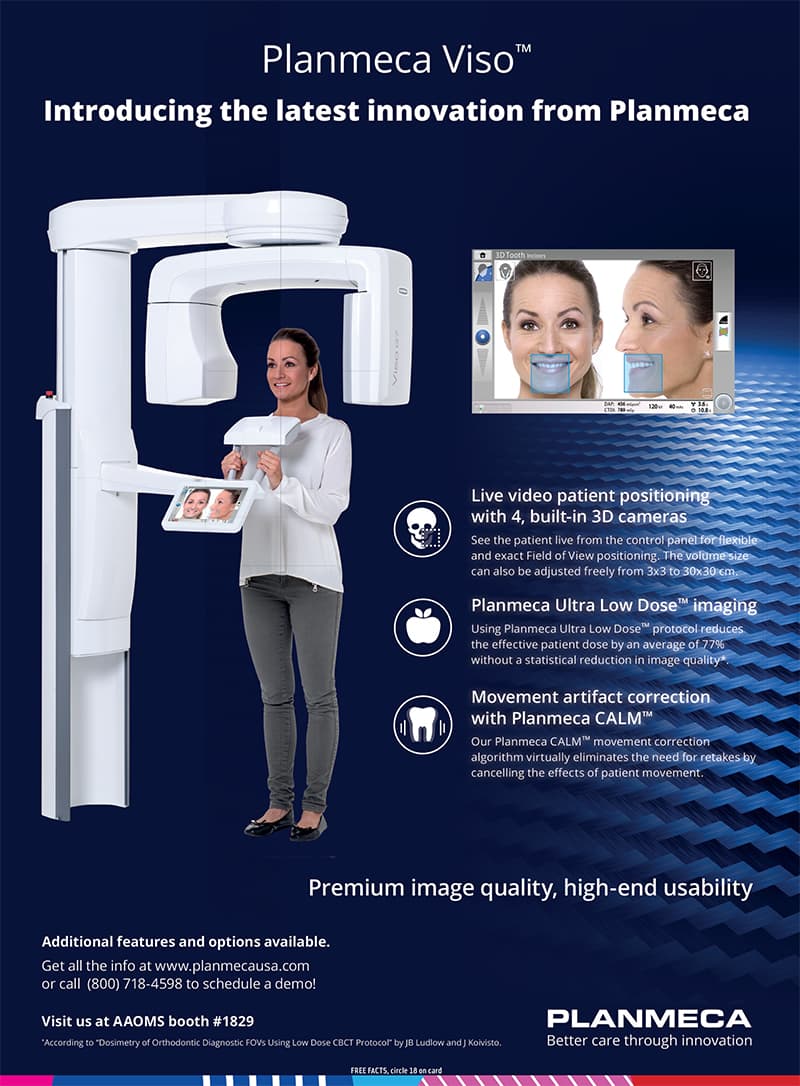
Radiographs are selected after history and examination for a specific diagnostic or treatment-planning question. Three-dimensional imaging can add information in selected cases, but it is not a routine badge of quality and should be justified by expected clinical benefit.
Numbness and sedation are different plans
Local anesthesia is used to control procedural pain. Sedation, when appropriate and available, is intended to reduce anxiety or awareness and requires its own screening, monitoring, recovery, escort, and discharge decisions. Neither is a promise of a symptom-free recovery.
The socket belongs to the restorative plan
Bone and soft tissue naturally change after a tooth is removed. Ridge preservation may reduce some dimensional change, but it does not prevent all change and is not automatically required. Its value depends on anatomy, infection, timing, and the intended replacement—or the decision not to replace.
Medication decisions are patient-specific
Pain-control and antibiotic decisions depend on the procedure and the patient's history. Nonopioid medicines are generally first-line for acute dental pain when medically appropriate. Patients should not stop prescribed anticoagulant or antiplatelet medicine on webpage advice; changes require coordination with the prescribing clinician and dental team.
Recovery has expected changes and warning signs
Some discomfort, swelling, oozing, bruising, and limited opening may occur. A displaced or disrupted clot can contribute to dry socket, which needs professional assessment. Persistent or heavy bleeding, severe or worsening pain or swelling, fever, pus or a bad taste, difficulty swallowing, inability to keep fluids or medicines down, or another concerning change warrants prompt contact with the treating team. Difficulty breathing or uncontrolled major bleeding is an emergency: call 911 or go to the nearest emergency department.
Removal creates choices, not an automatic implant
Replacement may involve an implant-supported restoration, a bridge, a removable prosthesis, orthodontic space management, or no replacement in selected situations. Timing, health of the site, neighboring teeth, function, esthetics, cleanability, maintenance, cost, and patient preference should be considered together.
Continue the evaluation
Clinical reading
General information only. Diagnosis, treatment, risks, alternatives, and expected recovery are individual and require a clinical evaluation.
- AAE: Treatment options for a diseased tooth ↗
- AAOMS: Dental and soft-tissue surgery patient guide ↗
- ADA–AAOMR: Patient selection for dental radiography and CBCT ↗
- EFP consensus: Extraction-socket management ↗
- ADA: Acute pain management after tooth extraction ↗
- ADA: Anticoagulant and antiplatelet medicines in dental care ↗
- ADA MouthHealthy: Dry socket ↗
A sound extraction plan answers four questions before treatment begins: why the tooth cannot or should not be maintained, what alternatives remain, how the procedure and recovery will be managed, and what happens to the space afterward.
Request a visit