
01 — Work
Dental implants
A replacement root is one part of a restorative system.
Original editorial concept · temporary
What it is
A dental implant is placed in the jaw to support a planned restoration; the visible tooth is a separate component, and treatment is not complete when the implant is placed. A responsible plan begins with the restoration and works backward through the prognosis of the remaining teeth, periodontal health, bone and soft tissue, anatomy, bite, appearance, hygiene access, medical factors, and the patient's preferences. Implant placement, restoration, and maintenance are one course of care, even when different clinicians perform its phases.
For
01
Someone replacing one missing tooth, several teeth, or support for a removable prosthesis.
02
Someone deciding whether a compromised tooth can predictably be preserved or should be replaced.
03
Someone seeking a second opinion about grafting, timing, immediate treatment, restoration design, or maintenance.
01 — Preserve before replacing
The tooth or site is diagnosed first. Treating and retaining a natural tooth, a conventional bridge, a removable option, an implant restoration, and no treatment each deserve a patient-specific comparison when relevant.
02 — Design the restoration
The intended tooth position, restorative space, neighboring teeth, opposing bite, tissue contours, appearance, and access for cleaning guide the implant position and the imaging required for the decision.
03 — Prepare and place
Site development, bone or soft-tissue augmentation, and sinus elevation are considered only when the anatomy and intended restoration indicate them. Placement timing is selected for the individual site.
04 — Heal and restore
The loading plan depends on stability, anatomy, tissue conditions, the restoration, and patient factors. Immediate placement and immediate restoration or loading are different decisions, and neither can be promised before evaluation and surgery.
05 — Maintain and review
Home care, professional supportive care, tissue and bone review, bite assessment, and inspection of the restoration and its components continue after delivery. Repair and replacement remain possible over time.
Implant guide
The implant is only one part of the decision.
The useful questions are not limited to whether an implant can be placed. The plan should explain what can be preserved, what will be restored, why the proposed position and timing fit the case, what may change, and how the result will be maintained.
Preservation and alternatives come first
A painful, fractured, infected, or heavily restored tooth is not automatically hopeless. Its restorability, periodontal support, endodontic options, strategic value, and patient priorities should be evaluated before removal. Depending on the case, alternatives may include retaining and treating the tooth, a tooth-supported bridge, a removable prosthesis, an implant-supported restoration, or no immediate replacement.
Different restorations solve different problems
One implant may support one crown; implants may support a multi-unit bridge; and selected implants may retain or support a removable prosthesis. A full-arch fixed reconstruction is a separate, more extensive decision. The number of missing teeth does not by itself determine the number, position, or type of implants.
Candidacy is more than available bone
Planning considers oral hygiene, active periodontal or peri-implant disease, smoking, diabetes and other medical factors, medicines, anatomy, growth, functional loading, restorative space, tissue expectations, ability to clean, and willingness to return for follow-up. A finding may alter the sequence, setting, design, or choice of treatment rather than simply produce a yes-or-no answer.
Imaging must answer a clinical question
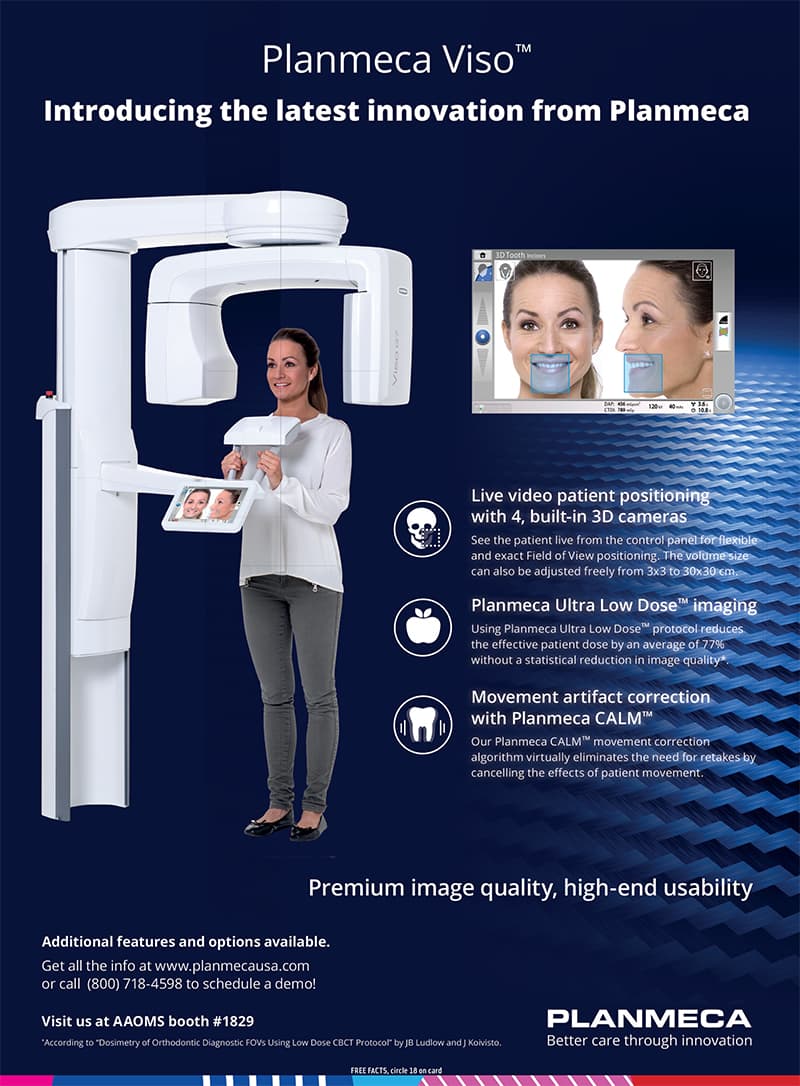
History and examination come before imaging. Two-dimensional radiographs may be part of the assessment, while cross-sectional CBCT is commonly recommended for presurgical implant planning when three-dimensional anatomy is needed. The field of view and exposure should be justified and optimized for the task; a larger scan is not automatically a better scan.
Grafting and sinus procedures are not automatic
When the intended restoration and anatomy require site development, options may include ridge preservation, ridge augmentation, soft-tissue procedures, or sinus floor elevation. These add their own healing, complications, timing, cost, and uncertainty. The indication, material, staging, alternatives, and effect on the restorative plan should be explained before treatment.
Immediate has several meanings
Immediate implant placement refers to placement at or soon after extraction. Immediate restoration or loading refers to attaching a restoration soon after placement. One does not guarantee the other. Infection control, site anatomy, primary stability, loading, grafting needs, and the ability to protect the site can change a provisional plan on the day of surgery.
Risks are surgical, biologic, and restorative
Relevant risks can include pain, swelling, bleeding, infection, failure to integrate, bone or soft-tissue change, peri-implant disease, injury to neighboring structures, altered sensation, and sinus complications when anatomically relevant. Restorations and components can loosen, wear, chip, fracture, or require repair. Individual probabilities and material risks belong in clinical consent, not a generic webpage.
Maintenance begins at design
The restoration should allow practical plaque control. Individualized home care, professional supportive care, risk-factor control, examination of peri-implant tissues, and review of the bite and components are part of treatment. Implants are not immune to disease and are not described as permanent or maintenance-free.
Continue the evaluation
Clinical reading
General information only. Diagnosis, treatment, risks, alternatives, and expected recovery are individual and require a clinical evaluation.
- FDA: Dental implants — benefits, risks, evaluation, and care ↗
- American Academy of Periodontology: Dental implant procedures ↗
- ADA–AAOMR recommendations: Patient selection for dental radiography and CBCT ↗
- EFP S3 guideline: Prevention and treatment of peri-implant diseases ↗
- ITI consensus: Implant placement and loading protocols ↗
- Systematic review: Root canal treatment and implant outcomes ↗
A durable implant plan is a preservation decision, a restorative design, a surgical plan, and a maintenance commitment—not a piece of hardware sold in isolation.
Request a visit