07 — Work
TMJ / TMD
A diagnosis before a device, an appliance, or a permanent change.
What it is
The temporomandibular joints are the two jaw joints; temporomandibular disorders, or TMDs, are more than thirty conditions involving those joints, the chewing muscles, or an associated headache. Similar symptoms can come from dental disease, another pain disorder, trauma, arthritis, or a different medical problem, so the label should not be assigned from clicking or a scan alone. Painless joint sounds are common and usually do not require treatment. A responsible evaluation begins with the story and examination, uses imaging only for a defined question, and favors conservative or reversible care when appropriate. Permanent changes to teeth or the bite are not a general cure for TMD.
For
01
Jaw-joint or chewing-muscle pain, locking, or limited movement that interferes with eating, speaking, sleep, or everyday function.
02
Painful clicking, popping, or grating; facial tenderness; a changing bite; or symptoms that persist, recur, or worsen.
03
Anyone considering an appliance, bite adjustment, orthodontics, or extensive restorative work for unresolved jaw or facial symptoms and seeking a diagnosis-first second opinion.
01 — Map the problem
The visit records when symptoms began, where pain is felt, what provokes it, jaw locking or limitation, trauma, headaches, sleep and pain history, previous care, medicines, and the effect on daily life.
02 — Examine and differentiate
Jaw movement, familiar pain, muscles, joints, teeth, periodontal and dental findings, and relevant head-and-neck features are assessed together. Dental, neurologic, inflammatory, sleep-related, and other causes may require referral.
03 — Add records selectively
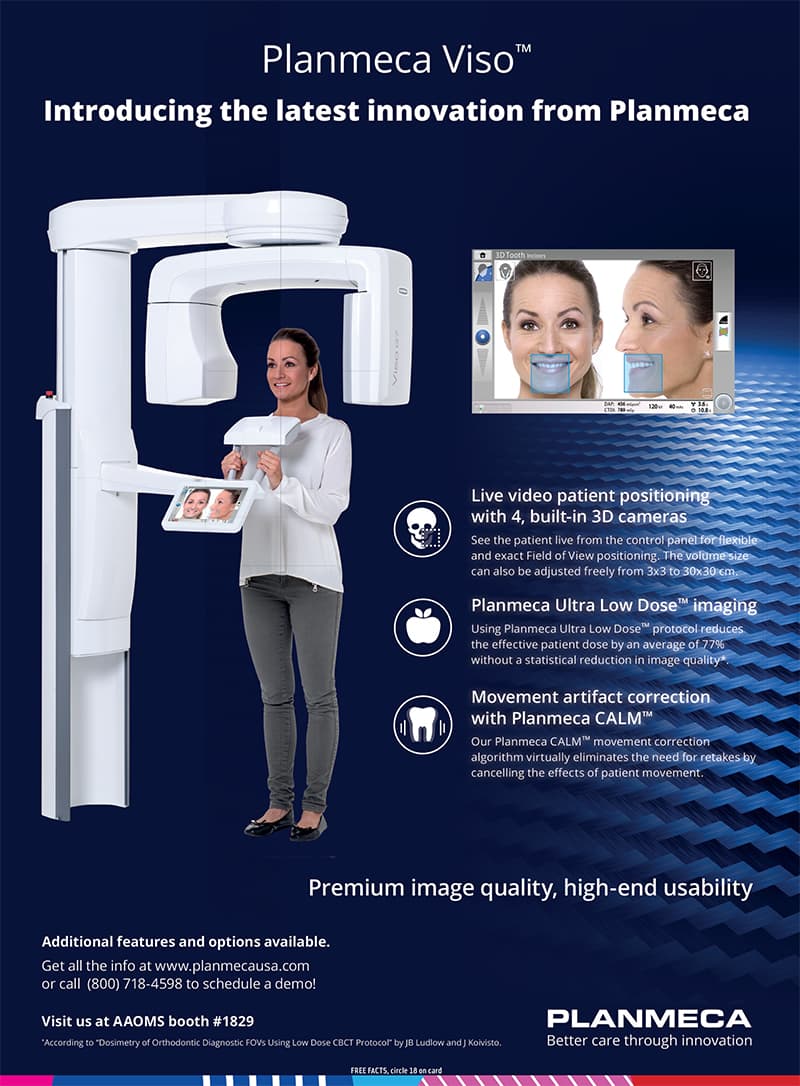
Previous images are reviewed first. CBCT or CT can answer selected bone questions; MRI is the reference examination for the articular disc and other joint soft tissues. Electronic movement or muscle records do not establish a TMD diagnosis by themselves.
04 — Treat, reassess, and coordinate
When the diagnosis allows, care starts with proportionate, noninvasive, and reversible options, defined goals, and follow-up. Physical therapy, behavioral care, pain medicine, sleep care, rheumatology, neurology, or oral and maxillofacial surgery may enter the plan when the findings justify them.
TMD field guide
What a diagnosis-first jaw-pain plan should explain.
The most sophisticated plan is often the one that separates signal from noise. It should name the working diagnosis, show which findings reproduce the patient’s familiar symptoms, explain what each test can and cannot answer, and preserve reversible choices before permanent treatment is considered.
TMJ is anatomy; TMD is a diagnosis family
Each person has two temporomandibular joints. TMD is the umbrella term for disorders of the joints, chewing muscles, and headaches attributed to TMD. More than one condition may be present, and the same complaint—jaw pain, facial pain, clicking, or restricted movement—does not identify the cause on its own.
Painful and painless sounds are different
Clicking or popping without pain is common and generally does not need treatment. Painful sounds, locking, reduced opening, stiffness, or a meaningful change in function deserve evaluation. Treatment is aimed at a diagnosed disorder and its impact, not at silencing every noise.
History and examination carry the diagnosis
Validated TMD frameworks combine symptom history with a reproducible clinical examination and also assess pain-related disability, function, distress, and overlapping pain. No single widely accepted laboratory or electronic test diagnoses every TMD. The clinician should also consider dental disease and non-TMD causes of facial or jaw pain.
Imaging must answer the right question
Imaging is selected after the clinical question is defined and previous studies are reviewed. CBCT or medical CT depicts bone well but does not show the articular disc. MRI is preferred when disc position, joint fluid, or other soft-tissue detail matters. A large scan is not automatically a better diagnosis, and radiographic findings do not always match pain or disability.
Conservative does not mean casual
For many presentations, the first phase may include education, temporarily reducing aggravating habits, heat or cold, clinician-guided jaw movement or exercise, physical therapy, and carefully selected medication. Chronic TMD pain may also benefit from coordinated behavioral and pain care. The plan should identify goals, duration, precautions, and a reassessment point rather than promise immediate relief.
An appliance is a trial, not a verdict
An intraoral appliance may protect teeth or be considered in a reversible management plan, but evidence for TMD pain relief is limited and the design should not permanently change the bite. The patient should know what the appliance is intended to do, how long to use it, how it will be monitored, and when to stop and contact the clinician if symptoms worsen.
Electronic records have defined limits
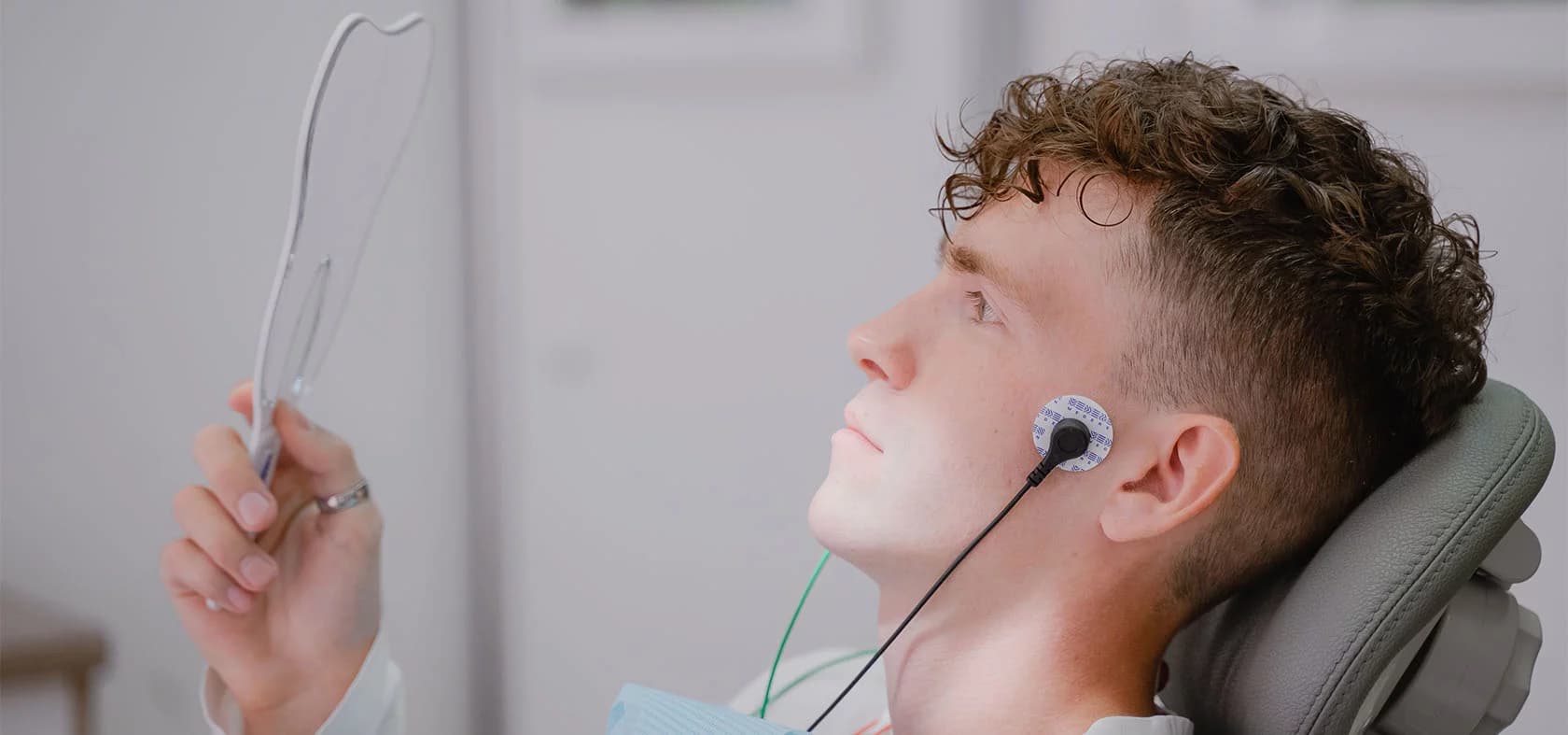
Surface electromyography records muscle electrical activity, while computerized jaw tracking records movement. These measurements may document performance under a stated protocol, but systematic reviews do not support either as a standalone TMD diagnostic test. TENS is a pain-modulation treatment, not a diagnostic test; evidence for TMD benefit remains limited. Any use should have a specific purpose and should not be sold as proof of a hidden bite disorder.
The bite is not the default cause
Current evidence does not support a ‘bad bite’ or prior orthodontics as the general cause of TMD. Grinding teeth, reshaping the bite, moving teeth, or placing crowns specifically to cure TMD creates irreversible change without reliable general benefit and can make symptoms worse. Restorative treatment may still be appropriate for a separate dental diagnosis, but that indication must stand on its own.
Escalation should follow the diagnosis
Persistent disability, suspected inflammatory or degenerative joint disease, recurrent dislocation, trauma, progressive asymmetry, or a clear structural problem may warrant specialty imaging or referral. Invasive joint procedures and surgery are reserved for selected conditions after benefits, limitations, alternatives, and risks are discussed; they are not the routine first step for undifferentiated jaw pain.
Know when this is not an appointment question
Recent major trauma, rapidly increasing facial swelling or fever, new neurologic symptoms, an acutely dislocated jaw that cannot close, or difficulty breathing or swallowing needs prompt medical assessment. For a life-threatening emergency, call 911 or go to the nearest emergency department. Website guidance cannot diagnose an urgent condition.
Clinical reading
General information only. Diagnosis, treatment, risks, alternatives, and expected recovery are individual and require a clinical evaluation.
- NIDCR: TMD — symptoms, diagnosis, and treatment ↗
- DC/TMD: validated clinical and research diagnostic criteria ↗
- AAOMR and AAOP: recommendations for TMJ imaging ↗
- BMJ: guideline for chronic pain associated with TMD ↗
- JADA: evidence review of EMG for TMD diagnosis ↗
- Systematic review: jaw tracking and internal derangement ↗
The right TMD plan is legible: a diagnosis, a proportionate first step, a way to measure change, and a clear threshold for referral.
Request a visit