
10 — Work
Porcelain veneers
A thin restoration deserves a deep diagnosis.
What it is
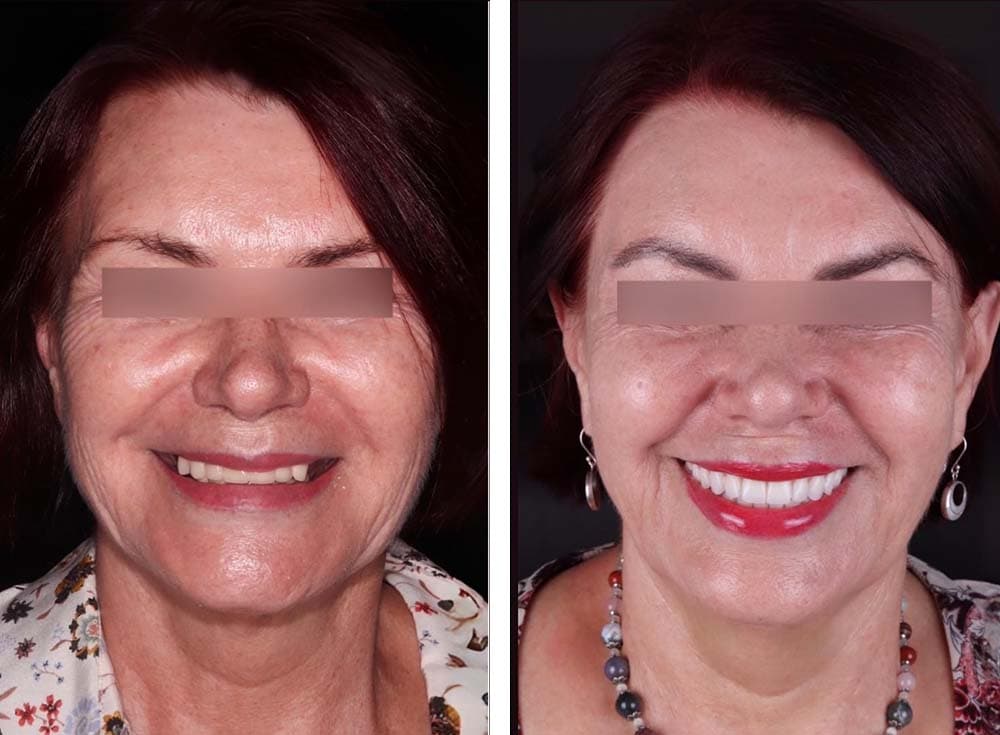
A porcelain veneer is a thin bonded ceramic restoration that covers primarily the visible surface of a tooth; it is not the same as a crown. Veneers can change shape, color, proportion, and the appearance of selected spacing or position, but they require a licensed dentist's diagnosis and commonly involve removal of enamel, making treatment irreversible. Planning should determine whether the teeth and gums are healthy, what can be preserved, what alternatives could meet the same goal, how much tooth structure would be altered, which substrate will support the bond, and how the restorations can be cleaned, protected, repaired, or replaced over time.
For
01
Shape, proportion, localized wear, fractures, spacing, or discoloration that cannot be addressed more conservatively to the person's satisfaction.
02
Someone comparing ceramic veneers with whitening, orthodontics, direct composite, crowns, replacement of an old restoration, or no treatment.
03
A patient seeking a second opinion about preparation, material, gum contour, bite, a previous veneer problem, or the long-term repair burden.
01 — Diagnose before designing
The evaluation considers decay, cracks, old restorations, enamel and dentin, gum health, recession, tooth position, color, wear, clenching or grinding, overbite, available space, and the patient's priorities.
02 — Compare alternatives
Whitening, orthodontics, direct composite, limited reshaping, periodontal care, a veneer, a crown, replacement of an existing restoration, and no treatment are compared for the specific tooth and concern.
03 — Preview the proposal
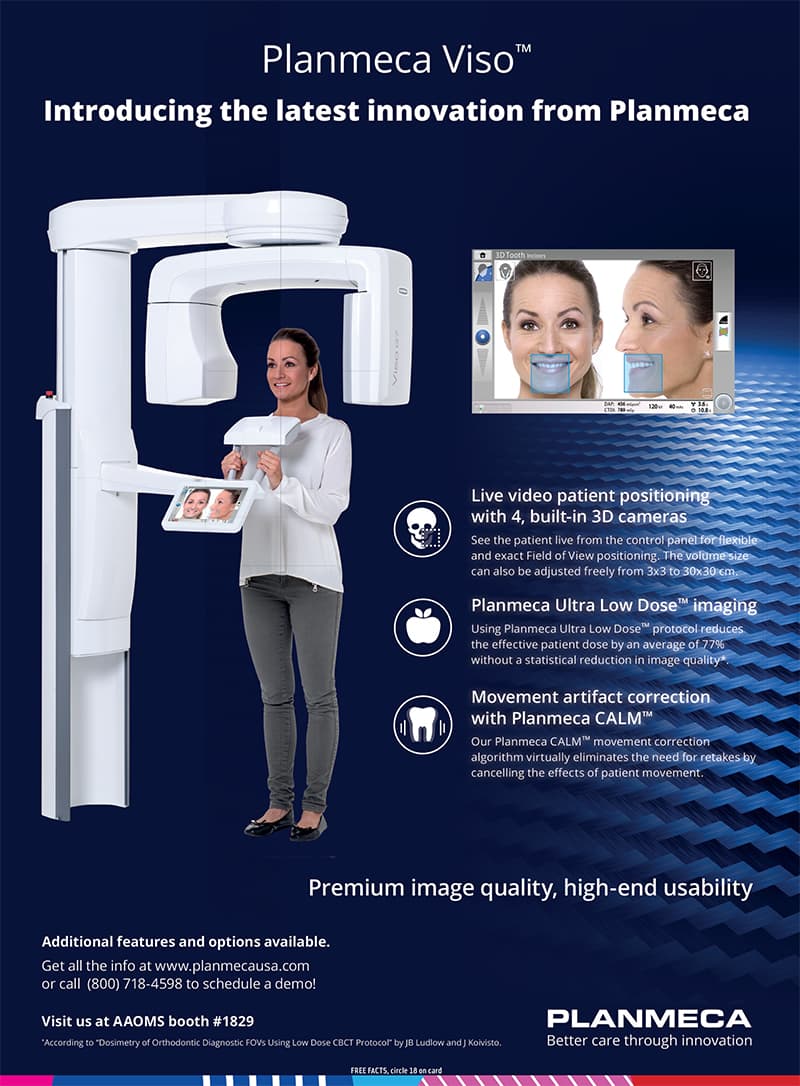
Photographs, scans, a wax-up, or a mock-up may help evaluate proposed length, shape, position, speech, and appearance. A preview supports communication but does not guarantee the final biological or optical result.
04 — Prepare, verify, and bond
Preparation is individualized, with enamel preservation favored when feasible. The restoration is evaluated for fit, contour, contacts, shade, cleanability, and bite before adhesive bonding under controlled clinical conditions.
05 — Review and maintain
The gums, margins, bite, hygiene access, natural teeth, and restorations are reviewed after delivery and over time. Repair, rebonding, or replacement may eventually be needed.
Veneer guide
Ceramic should be the last answer, not the first assumption.
A veneer decision is clearest when it states the problem being solved, the alternatives considered, the amount of healthy structure at stake, the limits of the preview, and the maintenance the patient is accepting.
A veneer and a crown are not interchangeable
A veneer covers primarily the front surface and relies heavily on adhesive bonding. A crown covers more of the tooth and usually requires more preparation. Tooth structure, existing restorations, cracks, color, required shape change, loading, and restorability influence which—if either—is appropriate.
Treatment is usually irreversible
The ADA advises that enamel is commonly removed to place veneers, so the decision is not treated like a temporary cosmetic accessory. Even a very conservative preparation can commit the tooth to long-term restorative maintenance. “No-prep” cannot be promised before confirming that added thickness will not create over-contour, poor margins, or functional interference.
Disease and structural problems come first
Active decay or gum disease should be treated before elective veneers. Cracks, erosion, trauma, endodontic concerns, failing fillings, recession, and inadequate tooth structure can change the diagnosis, preparation, sequence, material, or whether a veneer is appropriate at all.
Alternatives should match the actual concern
Whitening may address some natural-tooth discoloration but does not change existing restorations. Orthodontics changes tooth position. Direct composite may repair or reshape with different preparation, esthetic, wear, stain, and repair characteristics. A crown may be considered when more coverage is required. Monitoring or no treatment remains a valid option for an elective concern.
Preserving enamel matters
Clinical reviews generally report more favorable bonding and fewer failures when ceramic veneers are bonded predominantly to enamel than when extensive dentin is exposed. This supports conservative, case-specific preparation—not a universal depth or a promise that preparation will remain entirely in enamel.
Material choice cannot be reduced to one adjective
Feldspathic porcelain, leucite-reinforced glass ceramic, lithium disilicate, composite, and other materials differ in optical behavior, strength, required thickness, repair, laboratory process, and evidence. Reviews report favorable survival for several silica-based ceramics, but definitions and follow-up vary. The chosen product and technique require case and practice verification.
The preview is not the outcome
Digital designs and mock-ups may improve discussion of proportion and help coordinate the patient, dentist, and laboratory. They cannot fully predict shade after bonding, translucency, tissue response, speech, comfort, individual healing, or long-term function. Meaningful changes between the preview and treatment plan should be discussed before preparation.
Risks include more than fracture
Veneers can chip, crack, wear, debond, develop marginal gaps or discoloration, contribute to sensitivity, or require repair, rebonding, endodontic treatment, or replacement. Decay and gum inflammation or recession can occur around restorations. Clenching, grinding, a deep overbite, trauma, habits, hygiene, substrate, preparation, bonding, contour, and material may affect risk.
Maintenance begins before bonding
Margins and contours should permit cleaning, and the shade plan should account for the fact that whitening does not lighten ceramic later. Daily fluoride toothpaste and interdental cleaning, professional review, avoidance of damaging habits, and a protective appliance when individually indicated may help manage risk. Veneers are not permanent or maintenance-free.
Continue the evaluation
Clinical reading
General information only. Diagnosis, treatment, risks, alternatives, and expected recovery are individual and require a clinical evaluation.
- ADA MouthHealthy: Veneers ↗
- Systematic review and meta-analysis: Ceramic veneer survival and complications ↗
- Systematic review and meta-analysis: Veneers bonded to enamel, dentin, or composite ↗
- Systematic review: Long-term porcelain veneer survival ↗
- Systematic review and meta-analysis: Veneer preparation and periodontal status ↗
- Systematic review: Digital smile design and patient communication ↗
The luxury is not more porcelain. It is a precise reason for every surface touched and every surface preserved.
Request a visit