
27 — Work
Braces and fixed orthodontic appliances
Braces can guide many planned tooth movements without depending on a removable tray. The diagnosis, tissue health, movement required, and long-term retention plan determine whether a fixed appliance is appropriate.
Original editorial concept · temporary
What it is
Braces are fixed orthodontic appliances: brackets or bands are attached to teeth, an archwire engages the appliance, and selected auxiliaries help deliver controlled forces for a prescribed movement. They do not diagnose the problem, guarantee that every planned movement will occur, or make biological limits disappear. A responsible decision begins with the patient's concern, a dental and periodontal diagnosis, the relationship of the teeth and jaws, growth and eruption when relevant, restorability, and the likely course without treatment. Fixed appliances can provide continuous clinician-directed control without relying on a patient to remove and replace the main appliance, but they introduce their own cleaning, comfort, breakage, tissue, and monitoring burdens. The meaningful comparison is not braces versus no braces in the abstract. It is the expected benefit, burden, limits, alternatives, and retention plan for this patient and this diagnosis.
For
01
A child, teenager, or adult considering braces for crowding, spacing, an impacted or ectopic tooth, an unfavorable bite relationship, or preparation for restorative or surgical care.
02
Someone comparing a fixed appliance with clear aligners, observation, limited treatment, another orthodontic appliance, or specialist referral and wanting the tradeoffs explained before choosing.
03
A patient with previous orthodontic treatment, periodontal concerns, dental trauma, short or resorbed roots, missing teeth, restorations, implants, or another factor that can change movement and retention planning.
01 — Define the problem before selecting braces
History and examination identify the tooth, arch, jaw, eruption, periodontal, restorative, functional, and appearance concerns that matter. The plan should state what is intended to change, what may remain, and whether monitoring, disease control, another specialty, or no active movement is reasonable.
02 — Select records and assess readiness
Photographs, models or digital scans, and radiographs are chosen to answer the clinical question after prior records are reviewed. Caries, gingival inflammation, periodontitis, enamel condition, root history, trauma, and home-care readiness are addressed before brackets and wires make cleaning more demanding.
03 — Plan movement, space, anchorage, and limits
The desired tooth positions, space strategy, root positions, supporting tissues, bite objectives, anchorage, restorative sequence, and acceptable compromises are defined together. Expansion, enamel reduction, extraction, elastics, temporary anchorage, or surgical consultation are separate decisions rather than automatic parts of braces.
04 — Place the appliance and establish care
The selected brackets or bands are positioned and an initial wire is engaged. The patient receives appliance-specific cleaning, food and habit precautions, comfort guidance, and a contact route for loose or displaced components. Materials and auxiliaries should be named only when they are actually planned.
05 — Monitor movement and biological response
Review visits assess plaque control, enamel and gingiva, periodontal findings, movement, root or pulp concerns when indicated, wire and bracket integrity, elastic use, the developing bite, and whether the objective or mechanics need revision. A progress image or simulation cannot replace examination when clinical findings matter.
06 — Finish deliberately and begin retention
Before removal, the team reviews alignment, contacts, bite relationships, tissue condition, restorations, unresolved limitations, and the patient's priorities. Fixed, removable, or combined retainers then require a wear, hygiene, review, repair, and replacement plan because tooth position can continue to change.
Fixed-appliance guide
Brackets and wires deliver force. Diagnosis, monitoring, and maintenance make the treatment responsible.
A useful braces consultation should explain the problem, why a fixed appliance fits the intended movement, what records are justified, how teeth and gums will be protected, what can go wrong, and how the result will be retained. Appearance and appliance options matter, but they do not replace those answers.
Braces are one way to deliver an orthodontic plan
A fixed appliance is attached to the teeth and generally removed only by a clinician. Brackets or bands receive an archwire; ligatures, built-in clips, elastics, springs, hooks, or other auxiliaries may be added for particular movements. Not every case needs every component, and the presence of more hardware does not prove greater precision or complexity.
Candidacy begins with the diagnosis and expected benefit
Crowding, spacing, protrusion, crossbite, open bite, deep bite, impacted teeth, or preparation for restorative care can lead to different objectives and mechanics. A visible irregularity alone does not establish urgency. The likely benefit should be compared with observation, limited treatment, removable appliances or aligners, interdisciplinary care, surgery consultation, and no active treatment where appropriate.
Fixed does not mean automatic
Because the principal appliance remains on the teeth, progress is less dependent on removing and reinserting a tray. Movement still depends on bracket and wire integrity, elastic or appliance cooperation when prescribed, attendance, tissue response, anchorage, growth, and the feasibility of the plan. Missed visits or damaged components can allow unintended movement or extend treatment.
Bracket and wire choices follow the movement
Bracket material, prescription, slot, ligation method, archwire sequence, and auxiliaries can affect appearance, handling, force delivery, friction, breakage, and cost. None is universally fastest, most comfortable, most hygienic, or most accurate. Ceramic and metal options deserve their own case-specific comparison rather than a superiority slogan.
The record set is proportional to the question
History, facial and intraoral examination, periodontal and caries assessment, photographs, models or scans, and appropriate radiographs create a baseline. Existing images should be reviewed before new exposure. A record is useful when it informs diagnosis, movement, risk, or monitoring; a large technology package is not a substitute for clinical judgment.
CBCT is selective, not a routine braces scan
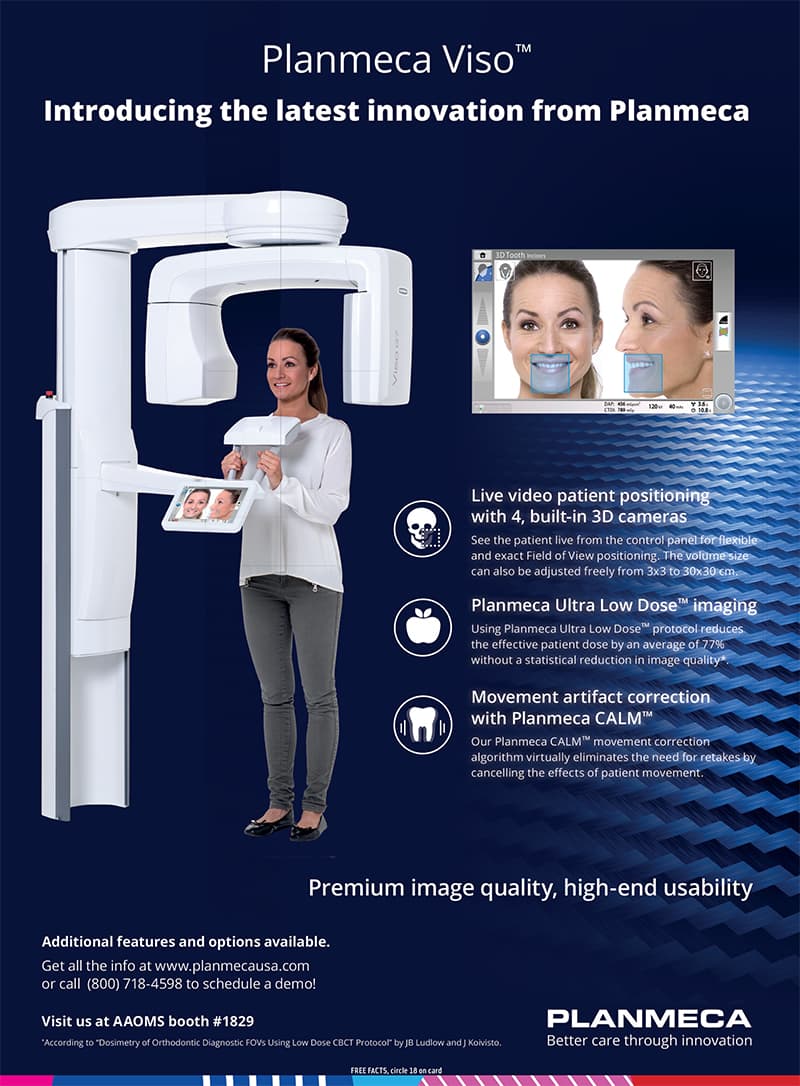
Current ADA and AAOMR recommendations place examination and prior imaging before new exposure. Three-dimensional imaging may be justified for a defined question involving an impacted tooth, suspected resorption, skeletal anatomy, asymmetry, pathology, or surgical planning when the information is expected to change care. The field and exposure should be no greater than the diagnostic task requires.
Healthy tissues and manageable disease come first
Untreated caries, active gingival inflammation, uncontrolled periodontitis, poor plaque control, recession, reduced bone support, thin tissues, smoking, and systemic factors can change timing and objectives. Selected patients with reduced but stable periodontal support may still be considered for coordinated movement after disease control, with adapted forces and supportive care. Movement should not proceed through uncontrolled disease.
Cleaning becomes a treatment requirement
Brackets, bands, wires, and auxiliaries create plaque-retentive areas around margins and between teeth. Daily cleaning must reach above, below, and between components, while routine dental and periodontal review continues. An interdental brush, floss aid, fluoride product, or other measure may be recommended for a particular patient, but the exact home-care plan belongs to the treating team.
White-spot lesions and caries are not cosmetic footnotes
Plaque accumulation, fermentable-carbohydrate exposure, fluoride exposure, saliva, baseline enamel, and cleaning behavior influence demineralization risk. Chalky white areas can represent mineral loss and may remain visible after appliance removal. Early recognition, improved plaque control, individualized prevention, and restorative assessment where needed are more responsible than promising that marks cannot occur.
Gingival and periodontal changes require attention
Bleeding, swelling, enlargement, recession, attachment loss, or mobility should not be dismissed as an unavoidable price of treatment. Some inflammation improves when plaque control and professional care improve; recession and support loss can reflect several patient, tissue, tooth-position, and movement factors. Findings can require altered mechanics, a pause, periodontal care, or a revised objective.
Discomfort is possible, but pain should not be promised or normalized
Pressure, tenderness when biting, and soft-tissue irritation can occur after placement or an adjustment and vary among people and visits. The team should explain expected patterns, appliance wax or other situation-specific comfort measures, and when to call. Severe, increasing, unexplained, or persistent pain needs assessment rather than a promise that braces are painless or an instruction to simply endure it.
Most loose brackets and displaced wires are urgent comfort problems
A loose bracket, poking wire, lost ligature, broken elastic, detached auxiliary, or damaged retainer usually calls for prompt contact with the treating team so the component and planned movement can be assessed. It is not automatically a hospital emergency. Patients should not cut, bend, reattach, or discard a component unless the treating team gives situation-specific instructions.
Trauma, swelling, breathing, and swallowing change the response
A dental injury, uncontrolled bleeding, rapidly increasing swelling, fever with worsening facial symptoms, suspected aspiration, or a component lodged in tissue needs prompt professional assessment. Difficulty breathing or swallowing, choking, rapidly progressive facial or neck swelling, collapse, confusion, or another life-threatening concern requires 911 or the nearest emergency department.
Root resorption is a material but imperfectly predictable risk
External apical root shortening can occur during orthodontic movement. Risk varies with individual biology, root form and history, previous resorption or trauma, movement type and distance, force, duration, and other factors. Imaging may be selected when findings or risk would change care, but repeated scans cannot guarantee prevention. Material change can require reduced force, altered goals, a pause, referral, or stopping movement.
Previous trauma and root-filled teeth need their own baseline
A traumatized tooth can have pulp, root, or periodontal vulnerabilities that are not visible from alignment alone. Root-filled teeth, large restorations, crowns, short roots, existing resorption, and uncertain restorability can also alter bonding, force, prognosis, and monitoring. Symptoms or vitality changes require diagnosis; braces should not be credited with causing or curing every change that occurs during treatment.
Space and anchorage decisions are not appliance features
Creating, preserving, opening, or closing space can involve arch development, derotation, enamel reduction, distal movement, extraction, elastics, or additional anchorage. Each choice affects teeth, roots, profile, periodontal boundaries, restorative space, and stability differently. Braces can deliver parts of the plan, but they do not make extraction-free or extraction treatment universally superior.
Existing and planned dentistry changes the sequence
Implants do not move like natural teeth, while crowns, bridges, veneers, missing teeth, and planned replacements can change bonding, anchorage, space, and final tooth positions. The orthodontic and restorative teams should agree on the intended result before irreversible preparation or implant placement. Temporary restorations may need to serve a changing rather than final position.
Treatment duration and finishing cannot be guaranteed
Complexity, growth, eruption, biological response, appointment attendance, breakage, elastic use, hygiene, revised objectives, and additional procedures can change the number and spacing of visits. A predicted finish date is an estimate. Removing an appliance because a date arrived is not the same as completing agreed movement with acceptable tissues and a workable retention plan.
Braces do not independently treat TMD, airway, sleep, or headache
Changes in tooth position and bite relationships may be relevant to an orthodontic diagnosis, but they do not prove the cause of temporomandibular pain, bruxism, headache, sleep-disordered breathing, airway disease, posture, or systemic symptoms. Those concerns need their own examination and appropriate dental or medical referral without a guaranteed bite-based cure.
Retention begins before the appliance is removed
The original problem, final positions, periodontal support, growth, habits, restorative plan, hygiene, and patient preference help shape a fixed, removable, or combined retainer strategy. Retainers can loosen, break, distort, accumulate plaque, or stop fitting. Comparative evidence for specific regimens is limited, so wear, checks, repairs, replacement, and long-term ownership should be explicit.
Referral protects the patient and the plan
A complex skeletal discrepancy, impacted tooth, significant periodontal limitation, root resorption, trauma history, craniofacial condition, surgical need, unexpected biological response, or mechanics beyond the treating clinician's competence may warrant another orthodontic, periodontal, endodontic, restorative, oral-surgery, or medical opinion. Referral is not a failure of braces; it is part of responsible scope and rescue planning.
Continue the evaluation
Clinical reading
General information only. Diagnosis, treatment, risks, alternatives, and expected recovery are individual and require a clinical evaluation.
- American Association of Orthodontists: How braces work ↗
- American Association of Orthodontists: Treatment options ↗
- American Association of Orthodontists: Orthodontic emergencies ↗
- British Orthodontic Society: Risks of orthodontic treatment ↗
- ADA/AAOMR: Patient selection for dental radiography and CBCT ↗
- EFP: Stage IV periodontitis treatment guideline ↗
- Cochrane: Preventing early tooth decay during fixed-brace treatment ↗
- Systematic review: Pain profile with fixed appliances ↗
- Systematic review: Root resorption with orthodontic tooth movement ↗
- Cochrane: Retention procedures after orthodontic treatment ↗
- Systematic review: Clear aligners versus fixed appliances ↗
A responsible braces plan should make eight things clear: the diagnosis, intended movement, fixed-appliance rationale, justified records, hygiene and tissue safeguards, material risks, common-problem and emergency routes, and the retention or referral plan.
Request a visit