
28 — Work
Clear orthodontic aligners
Clear aligners are removable trays that guide prescribed tooth movements in stages. Their suitability depends on the diagnosis, the movement required, tissue health, reliable wear, clinical monitoring, and a realistic retention plan.
Original editorial concept · temporary
What it is
Clear orthodontic aligners are a sequence of removable thermoplastic trays made to deliver planned tooth movements. Each tray represents one prescribed stage, but the digital setup is a plan rather than a guarantee of the position the teeth will reach. Aligners may be discreet and can be removed for meals and cleaning, yet they are not passive or effortless. Fit, near-full-time wear as prescribed, attachments or elastics when needed, oral health, biological response, and regular clinical review all affect progress. Some movements and problems are managed predictably with aligners; others may be better treated with braces, a combined approach, observation, interdisciplinary care, or referral. The useful question is not which product looks best on a screen. It is whether a removable appliance can responsibly deliver this patient's intended movement within the available tissue, cooperation, and long-term maintenance limits.
For
01
A teenager or adult comparing clear aligners with braces, observation, limited treatment, another appliance, or specialist referral for a diagnosed tooth-position or bite concern.
02
Someone prepared to remove, replace, clean, store, and wear the trays exactly as prescribed—and to attend reviews even when the trays appear to fit.
03
A patient whose periodontal health, previous trauma, short or resorbed roots, missing teeth, crowns, implants, or planned restorative care may change movement and retention planning.
01 — Diagnose before choosing a tray
History and examination define the tooth-position, bite, eruption, growth, periodontal, restorative, skeletal, and appearance concerns. The plan should name what is intended to change, what may remain, and whether observation, disease control, braces, interdisciplinary care, or referral is more appropriate.
02 — Establish records and readiness
Photographs, models or digital scans, and radiographs are selected after the clinical question and prior records are reviewed. Caries, gingival inflammation, periodontitis, enamel condition, root history, trauma, and the ability to maintain the trays and teeth are addressed before active movement.
03 — Plan movement, space, and auxiliaries
The desired tooth positions, root control, space strategy, bite objectives, supporting tissues, restorative sequence, and acceptable compromises are planned together. Attachments, buttons, elastics, enamel reduction, extraction, or other auxiliaries are separate case-specific decisions—not features every aligner patient automatically needs.
04 — Deliver the trays and daily protocol
The first trays are checked for fit and the patient receives a prescribed wear and change schedule, removal and insertion technique, meal and drink rules, cleaning and storage instructions, and a contact route for loss, damage, pain, or poor fit. The prescription—not a generic online schedule—controls use.
05 — Check tracking and revise when needed
Review visits assess whether each tray seats, the planned movement is occurring, attachments and elastics are functioning, tissues remain healthy, and the bite is developing safely. A rescan, additional aligners, revised staging, different auxiliaries, fixed appliances, or a changed objective may be appropriate when movement does not track.
06 — Finish deliberately and retain
Before active treatment ends, the team reviews alignment, contacts, bite relationships, supporting tissues, restorations, unresolved limitations, and the patient's priorities. Removable, fixed, or combined retainers then need a prescribed wear, cleaning, review, repair, and replacement plan because tooth position can continue to change.
Clear-aligner guide
The trays are removable. The diagnosis, daily wear, monitoring, and retention are not optional.
A useful aligner consultation should explain the problem, why a removable appliance fits the intended movement, what the patient must do every day, how progress will be judged, what can change, and how the result will be retained. A clear tray or animated preview cannot answer those questions by itself.
Clear aligner is a treatment category, not a diagnosis or brand
Different systems use different materials, software, attachment designs, manufacturing methods, and clinical protocols. Evidence from one branded system does not prove that every aligner is equivalent. The diagnosis and intended movement come first; a brand name should be used only when the actual product and its relevance are verified.
Candidacy begins with an in-person clinical assessment
Crowding, spacing, protrusion, crossbite, open bite, deep bite, or preparation for restorative care can require different movements and safeguards. Suitability also depends on growth, jaw relationships, eruption, roots, periodontal support, restorability, previous treatment, and the patient's ability to follow the plan. Photographs, impressions, scans, or a remote questionnaire alone do not establish all of those findings.
The digital setup is a prescription, not a promised result
Software can display the staged movement requested by the clinician, but teeth and supporting tissues respond biologically rather than as an animation. The achieved movement can differ from the planned movement. The setup is useful for planning and communication only when it is tested against examination, records, progress, tissue response, and the developing bite.
Attachments, buttons, and elastics may be part of clear treatment
Tooth-colored attachments can give the tray a surface for applying or controlling force. Buttons, elastics, bite ramps, or other auxiliaries may be used for selected movements and can be visible. Their shape, position, wear instructions, replacement, and risks follow the treatment plan; adding more components does not guarantee that a movement will track.
Wear is an active treatment responsibility
Most aligner plans rely on near-full-time wear, with removal limited mainly to meals, drinks other than plain water, and oral care. The exact daily hours and tray-change interval must be prescribed for the individual plan. Repeated long removal, skipped trays, unapproved schedule changes, or wearing a poorly fitting tray can delay or alter movement rather than simply move the calendar.
Insertion, removal, and storage protect fit
A tray should be seated and removed using the method demonstrated for that design, without biting it into place or forcing a visibly distorted edge unless the treating team directs otherwise. Trays can crack, warp with heat, become contaminated, or be lost. A protective case and the instructed backup-tray plan are part of treatment, not packaging details.
Meals and drinks still affect the teeth
Aligners are generally removed for eating and for drinks other than plain water because trapped sugar, acid, pigment, or heat can affect teeth or the appliance. Frequent sipping, replacing trays over unclean teeth, or using hot water can create avoidable problems. The patient's caries risk, medicines, dry mouth, and diet may require individualized prevention advice.
Removability can make cleaning easier, but it does not guarantee health
Removing the trays provides access for brushing and cleaning between teeth, yet plaque can still remain on teeth, attachments, and the aligner. Current comparative evidence suggests possible periodontal advantages over fixed appliances, but certainty is low and the benefit depends heavily on behavior. Routine dental and periodontal care continues throughout treatment.
Healthy or stabilized tissues come before movement
Untreated caries, active gingival inflammation, uncontrolled periodontitis, recession, reduced bone support, thin tissues, smoking, and systemic factors can change timing and objectives. Selected patients with reduced but stable support may be considered after disease control with coordinated periodontal care and adapted movement. A removable tray does not make movement through uncontrolled disease safe.
Tracking means the tray and the teeth are following the plan closely enough
A tray that no longer seats around a tooth, a visible gap at an edge, an attachment that is lost, or a bite that changes unexpectedly can signal that planned and achieved movement are separating. The significance cannot be judged from one photograph alone. Contact the treating team rather than advancing, doubling, cutting, heating, or reshaping trays without instructions.
Refinement is a clinical revision, not a failure label
Additional scans, adjusted staging, new attachments, extra aligners, or a finishing phase may be needed when movement is incomplete or the bite and tooth positions require further work. Refinement is influenced by the original problem, movement type, sequence length, fit, wear, biology, and objectives. Evidence is too heterogeneous for a universal refinement rate or a promise that one series will be enough.
Some movements are less predictable than others
Evidence is strongest for selected uncomplicated alignment and is more uncertain for difficult rotations, extrusion or intrusion, root torque and bodily movement, substantial expansion, extraction mechanics, major vertical correction, impacted teeth, and skeletal discrepancies. Attachments, elastics, temporary anchorage, braces, surgery consultation, or an accepted compromise may be considered when aligners alone cannot predictably deliver the objective.
Space decisions are not built into the tray
Space may be created, preserved, opened, or closed through alignment, arch development, interproximal enamel reduction, distal movement, extraction, or other mechanics. These choices affect roots, profile, periodontal boundaries, restorative space, and stability differently. Enamel reduction or extraction requires its own indication, consent, limits, and alternatives; neither is an automatic aligner step.
Imaging is selective and should change a decision
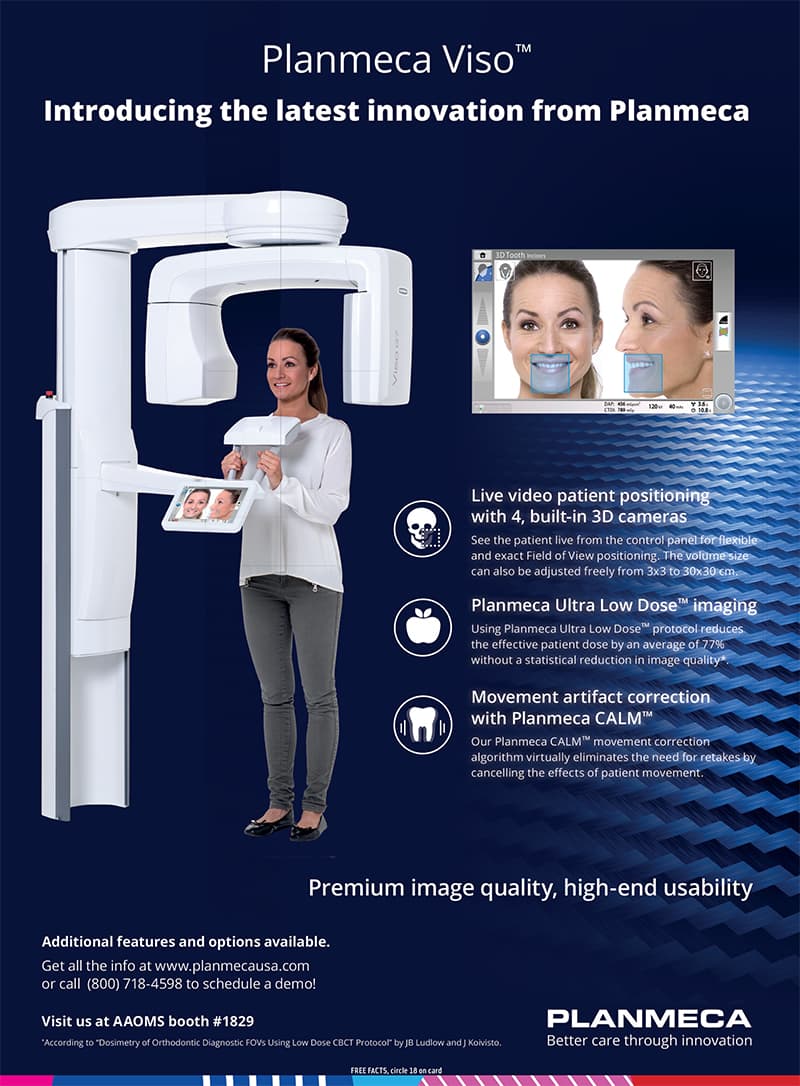
History, examination, and review of prior images come before new exposure. Panoramic, cephalometric, or intraoral images may be selected for eruption, roots, disease, or treatment monitoring. CBCT is reserved for a defined three-dimensional question—such as an impacted tooth, suspected resorption, skeletal anatomy, or surgical planning—when the expected information justifies the exposure; it is not routine for every aligner patient.
Existing and planned dentistry changes the sequence
Implants do not move like natural teeth, while crowns, bridges, veneers, missing teeth, root-filled teeth, short roots, large restorations, and planned replacements can change space, anchorage, attachment bonding, prognosis, and final tooth positions. Orthodontic and restorative teams should agree on the intended result before irreversible preparation or implant placement.
Pressure, soreness, and speech changes can occur
Pressure or tenderness commonly occurs after starting a tray and usually lessens, but individual experience varies. Edges or attachments can irritate soft tissues, and speech may change temporarily. Severe, increasing, unexplained, or persistent pain; an ulcer that is worsening; or a tray that is sharp or painful needs assessment rather than a promise that aligners are painless.
Lost, cracked, sharp, warped, or poorly fitting trays need prompt advice
Most aligner problems are urgent treatment or comfort issues rather than hospital emergencies. Stop wearing a tray that is sharp, painful, or badly distorted and contact the treating team for situation-specific instructions. Do not assume that advancing to the next tray, returning to an earlier tray, trimming an edge, or ordering a replacement is appropriate unless the clinician directs it.
Airway, swelling, bleeding, and major trauma change the response
Difficulty breathing or swallowing, choking, heavy or uncontrolled bleeding, rapidly progressive facial or neck swelling, collapse, confusion, suspected jaw fracture, or major facial trauma requires 911 or the nearest emergency department. A knocked-out or severely displaced permanent tooth needs urgent dental or emergency assessment. A web page or remote monitor is not an emergency service.
Aligners do not remove orthodontic risks
Possible burdens include soreness, irritation, speech change, aligner staining or odor, caries and enamel demineralization, gingival inflammation, recession or attachment loss in susceptible tissues, external apical root resorption, pulp-vitality change after trauma, unwanted or incomplete movement, bite change, appliance loss or breakage, prolonged treatment, additional procedures, relapse, and referral. Individual probabilities belong in clinical consent.
Root response and other biological limits are not fully predictable
Small changes in root length can occur during aligner treatment, and more significant external apical root resorption is possible. Comparative reviews may report smaller average changes with aligners than fixed appliances in selected groups, but that does not remove individual risk or justify routine CBCT. Previous trauma, existing resorption, root form, movement, force, and duration can alter monitoring and objectives.
Treatment duration and finishing cannot be guaranteed
Complexity, growth, eruption, tissue response, wear, lost or damaged trays, missed visits, incomplete tracking, refinements, and additional procedures can change the number of trays and visits. A software timeline or estimated finish date is not a promise. Finishing means reviewing the agreed tooth positions, contacts, bite, tissues, and remaining limitations—not reaching the last numbered tray.
Remote monitoring can support but not replace responsible care
Photographs and remote check-ins may help identify fit or scheduling questions in selected protocols, but evidence does not show that remote monitoring removes the need for examination or refinements. New pain, swelling, trauma, tissue change, poor fit, or an unexpected bite may require an in-person assessment and appropriate dental or medical referral.
Retention begins before the final aligner
Tooth position can change after active treatment as supporting tissues reorganize and growth, aging, habits, periodontal support, and other forces continue. Fixed, removable, or combined retainers have different wear, hygiene, breakage, review, and replacement needs. Evidence does not identify one universal regimen, so the prescription and long-term ownership should be explicit.
Alternatives and referral protect the objective
Alternatives can include observation with defined review, no active treatment, limited alignment with an accepted compromise, fixed braces, a combined aligner-and-fixed approach, another removable or growth-modifying appliance, periodontal or restorative care, extraction or non-extraction space strategies, orthognathic consultation, or referral. Changing appliance or seeking another opinion is responsible when the diagnosis, movement, biology, or clinician scope requires it.
Clear aligners do not independently treat TMD, airway, sleep, or headache
Moving teeth and changing bite relationships may be relevant to an orthodontic diagnosis, but they do not prove the cause of temporomandibular pain, bruxism, headache, sleep-disordered breathing, airway disease, posture, or systemic symptoms. Those concerns require their own history, examination, and appropriate dental or medical pathway without a guaranteed aligner-based cure.
Continue the evaluation
Clinical reading
General information only. Diagnosis, treatment, risks, alternatives, and expected recovery are individual and require a clinical evaluation.
- American Association of Orthodontists: Clear aligners ↗
- British Orthodontic Society: Aligners patient information ↗
- ADA/AAOMR: Patient selection for dental radiography and CBCT ↗
- Systematic review: Clear aligners versus fixed appliances ↗
- International consensus: Indications and limits of clear aligners ↗
- Scoping review: Clear-aligner effectiveness and predictability ↗
- Systematic review: Factors associated with aligner refinement ↗
- Systematic review: Aligner adverse effects ↗
- Systematic review: Oral hygiene and periodontal health ↗
- Cochrane: Retention after orthodontic treatment ↗
- American Association of Orthodontists: Orthodontic emergencies ↗
A responsible clear-aligner plan should make eight things clear: the diagnosis, intended movement, reason for a removable appliance, daily wear duties, progress and refinement rules, tissue and imaging safeguards, material risks and alternatives, and long-term retention.
Request a visit