
26 — Work
Orthodontic treatment
Orthodontics changes tooth position and, in selected growing patients, can guide developing jaw relationships. The diagnosis—not the appliance—decides whether treatment, monitoring, referral, or another dental pathway makes sense.
Original editorial concept · temporary
What it is
Orthodontic treatment uses controlled forces to move teeth through their supporting tissues. In a growing patient, selected appliances may also influence a developing jaw relationship, but they do not control growth completely. The clinical problem may involve tooth position, eruption, available space, the way the upper and lower teeth meet, facial and skeletal relationships, or several of these at once. A responsible plan begins by defining that problem and its likely course without treatment. It then compares monitoring, tooth movement, interdisciplinary care, surgical consultation, and no active treatment when appropriate. Braces and clear aligners are ways to deliver a plan; neither is the diagnosis, and neither is automatically faster, safer, or more suitable for every person.
For
01
A child, teenager, or adult with crowding, spacing, protrusion, an overbite, underbite, crossbite, open bite, impacted tooth, or another concern about how the teeth meet.
02
A family seeking a second opinion about growth, eruption, treatment timing, observation, braces, clear aligners, extraction, or referral for a skeletal jaw discrepancy.
03
An adult whose periodontal health, missing teeth, crowns, implants, restorative plan, or previous orthodontic treatment makes sequencing and long-term retention especially important.
01 — Define the problem and the patient's priorities
History, examination, dental and periodontal health, eruption, tooth position, the bite, jaw relationships, growth status, symptoms, previous treatment, and the patient's goals are considered together. A concern about appearance can coexist with a functional, periodontal, restorative, or skeletal issue—but one does not prove another.
02 — Decide whether and when to treat
Some findings warrant treatment now, some are monitored through growth or eruption, and some need disease control, restorative planning, or another specialist first. Early treatment can be useful for selected problems, but two phases are not automatically better than one well-timed phase.
03 — Set the movement and space plan
The proposed final tooth positions, space requirements, anchorage, root positions, periodontal limits, restorative needs, and acceptable compromises are defined before choosing an appliance. Expansion, interproximal reduction, extraction, distal movement, or opening space for replacement teeth are distinct decisions with case-specific benefits and risks.
04 — Choose the appliance and monitor response
Fixed appliances, clear aligners, removable or growth-modifying appliances, auxiliaries, and referral are compared against the movement required and the patient's ability to use and maintain them. Progress visits evaluate tooth tracking, tissue health, appliance integrity, cooperation, and whether the plan needs revision.
05 — Finish, retain, and maintain
The team reviews tooth positions, contacts, the bite, supporting tissues, restorations, and unresolved limitations before active treatment ends. A removable, fixed, or combined retainer plan is prescribed and reviewed because teeth and supporting tissues can continue to change throughout life.
Orthodontic decision guide
The appliance is visible. The diagnosis and long-term plan do the important work.
Useful orthodontic planning answers five patient questions: what is changing, whether it needs treatment now, what movement is intended, why a particular appliance fits that movement, and how the result will be retained. Product names and simulated smiles come after those answers.
Malocclusion describes a relationship, not one disease
Malocclusion is an umbrella term for an unfavorable relationship among teeth, dental arches, or jaws. Crowding, spacing, deep bite, open bite, crossbite, overjet, underbite, ectopic eruption, and impacted teeth can have different causes and clinical importance. A visible irregularity does not by itself establish disease, urgency, or the same treatment goal for every patient.
Records are selected to answer the diagnostic question
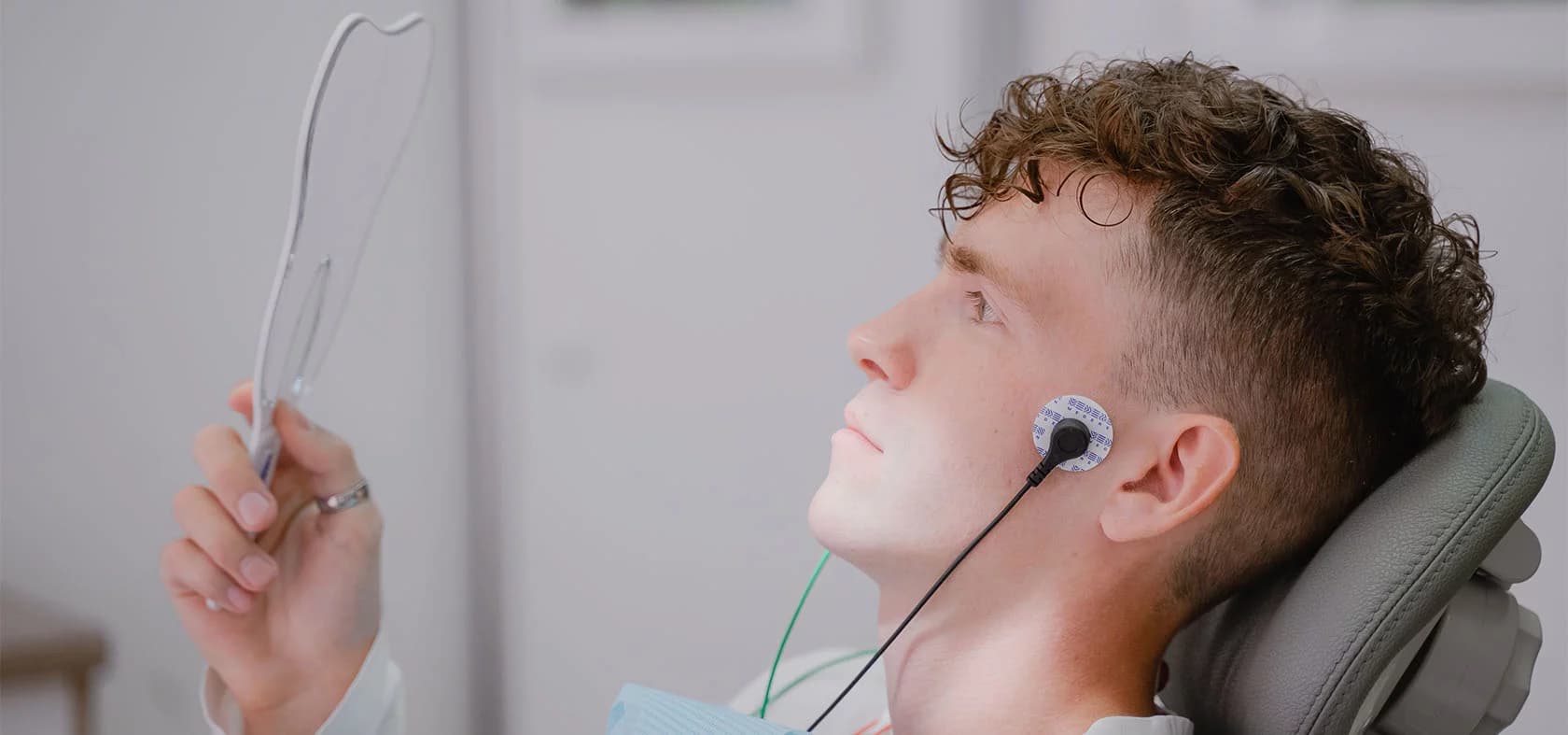
Facial and intraoral examination, periodontal and caries assessment, photographs, study models or digital scans, and appropriate radiographs can establish the baseline. Medical and dental history, previous trauma, symptoms, growth, and existing records matter. The record set is proportional to the question; it is not a technology checklist and cannot replace an in-person examination.
Growth assessment and tooth movement are different decisions
In children and adolescents, eruption and remaining craniofacial growth can change timing, appliance selection, and expectations. Growth-modifying treatment may improve selected relationships while growth remains, but individual response varies and severe skeletal discrepancies can persist. Once growth is substantially complete, dental compensation and orthognathic-surgery consultation are separate options that require explicit comparison.
Observation can be an active clinical choice
Monitoring eruption, growth, tissue health, symptoms, or a stable mild discrepancy can be appropriate when immediate movement is unlikely to improve the balance of benefit and burden. Observation needs a reason, a review interval, and triggers for reconsideration. It is not abandonment, and it should not be used to postpone disease control or a time-sensitive eruption problem.
Braces and aligners are tools, not competing diagnoses
Fixed appliances can provide continuous control of many tooth movements without relying on removal and reinsertion. Clear aligners are removable appliances whose success depends on case selection, planned staging, wear, fit, attachments or elastics when indicated, and refinements when movement does not track. Evidence supports both approaches in selected uncomplicated cases; complex movements and extraction cases have less certain comparative evidence.
Clear does not mean invisible, effortless, or universally faster
Aligners remain visible at conversational distance for some patients and may include tooth-colored attachments, buttons, or elastics. They must be removed and replaced as directed, cleaned, and worn consistently. Lost wear time, poor fit, broken attachments, or incomplete movement can extend treatment or require a revised sequence, additional aligners, fixed appliances, or an accepted compromise.
Fixed appliances require protection and cleaning
Brackets, bands, wires, springs, and elastics can irritate soft tissues, trap plaque, break, or create an urgent comfort problem without necessarily being a medical emergency. Cleaning around the appliance and limiting damaging habits protect enamel and gingiva. A loose bracket, displaced wire, or lost component should be reported so the team can give situation-specific instructions.
Periodontal health sets a biological boundary
Active gingival inflammation, untreated periodontitis, poor plaque control, recession, thin tissues, reduced bone support, and smoking or systemic risk factors can alter whether, when, and how teeth are moved. Interdisciplinary orthodontic treatment can be possible after periodontal control in selected patients, with lighter forces, adapted objectives, and supportive care; movement should not proceed through uncontrolled disease.
Existing dentistry changes the sequence
Crowns, bridges, implants, missing teeth, root-filled teeth, short or resorbed roots, large restorations, and planned veneers or implants can change anchorage, space goals, bonding, prognosis, and the final restorative design. Osseointegrated implants do not move like natural teeth. Orthodontic and restorative teams should agree on the desired space and tooth positions before irreversible dentistry.
Space can be created or redistributed in several ways
Arch development, derotation, interproximal enamel reduction, distal movement, extraction, and opening or closing a missing-tooth space are not interchangeable. Each uses different anatomy and anchorage, affects profile and periodontal limits differently, and may require restorative or surgical input. No-extraction treatment and extraction treatment are both diagnoses-and-goals decisions, not quality labels.
Imaging is selective and should change a decision
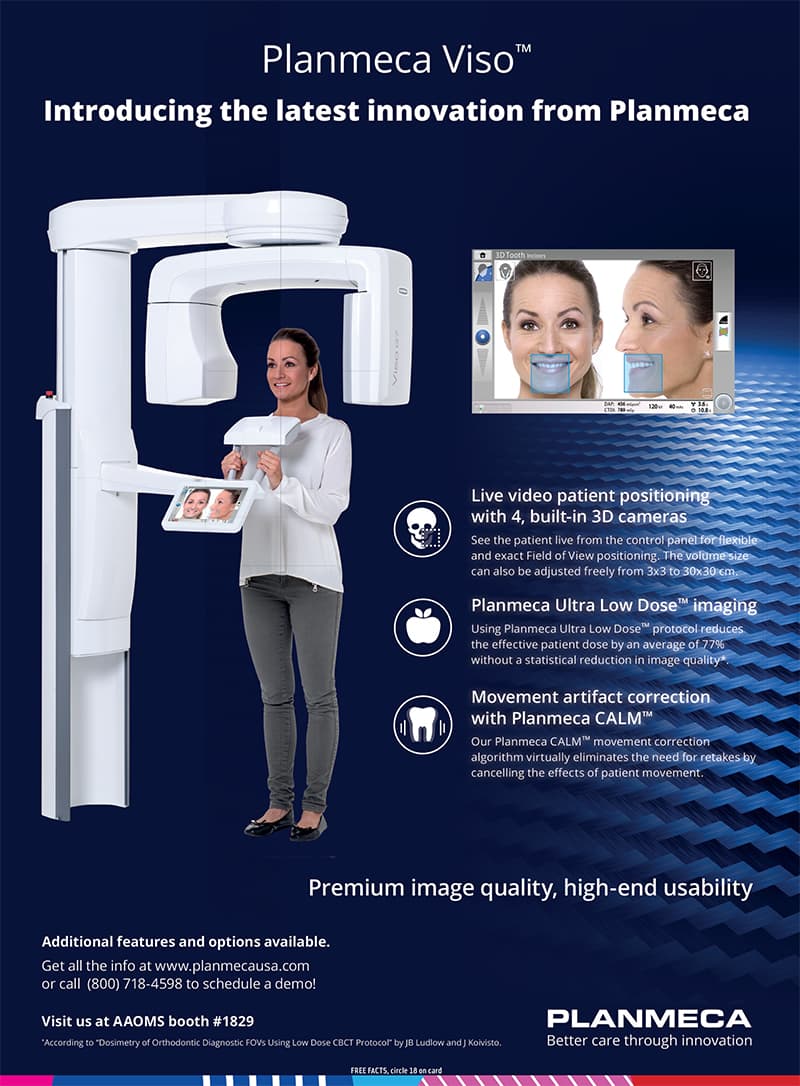
Current ADA and AAOMR recommendations place history, examination, and review of prior images before new exposure. Panoramic or intraoral images may be selected for eruption, root position, disease, or treatment monitoring. CBCT is reserved for a defined three-dimensional question—such as an impacted tooth, resorption, skeletal anatomy, or surgical planning—when the expected information justifies the exposure; it is not a routine orthodontic scan.
Benefits are tied to the problem being treated
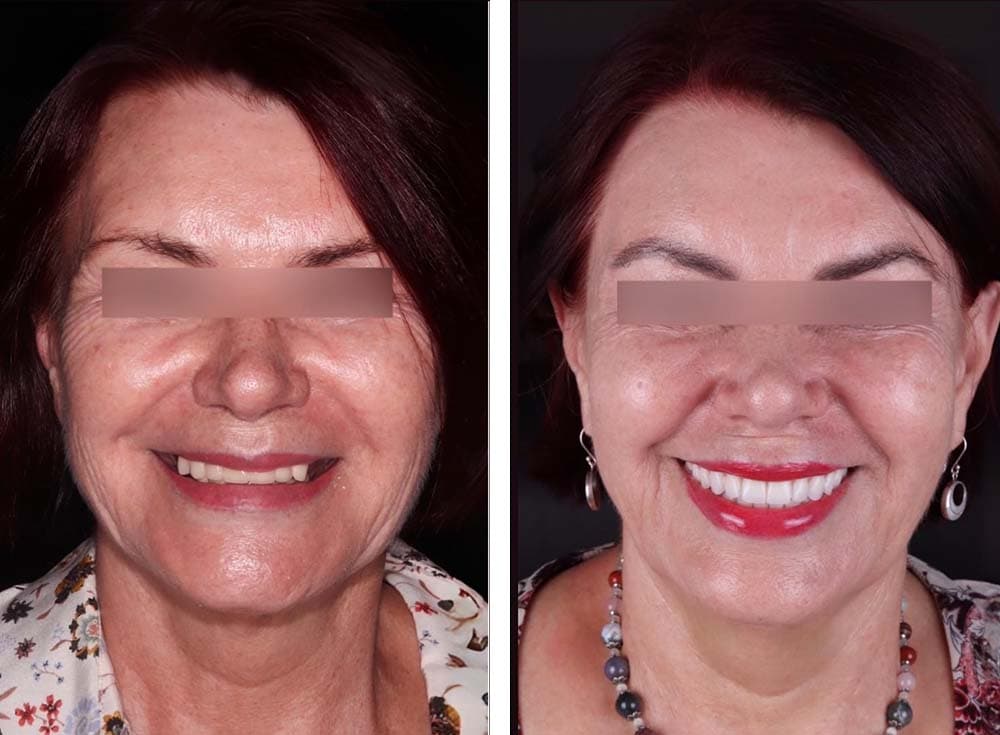
Potential benefits can include improved alignment, space management, eruption guidance, a more maintainable tooth arrangement, improved bite relationships, preparation for restorative or surgical care, and an appearance the patient prefers. The meaningful endpoint is the agreed clinical objective with acceptable tissue health and stability—not a software rendering or a universal ideal.
Risks and limitations belong in the plan
Relevant risks can include soreness, ulcers, enamel demineralization and caries, gingival inflammation, recession or attachment loss in susceptible tissues, external apical root resorption, changes in pulp vitality—especially after previous trauma—unwanted movement or bite change, appliance breakage, prolonged treatment, incomplete correction, and the need for additional treatment or referral. Rare material sensitivity and aspiration or ingestion events also require appropriate prevention and response.
Monitoring tests the plan against the patient's response
Appointments are used to inspect tissue health, movement, root and eruption concerns when indicated, appliance integrity, aligner tracking, elastic or retainer use, and the developing bite. Missed visits, appliance damage, inadequate wear, growth variation, or biological limits can change timing and outcome. Remote images or a progress simulation cannot replace examinations when clinical findings matter.
General dental care continues during orthodontics
Active treatment does not replace routine examinations, caries prevention, periodontal care, or management of pain and disease. Home cleaning must be adapted to the appliance, and professional review intervals depend on risk. White-spot lesions, bleeding, swelling, pain, mobility, or new decay should be evaluated rather than treated as an expected cosmetic inconvenience.
Retention is treatment, not an optional epilogue
Teeth can move after active treatment because periodontal and gingival tissues reorganize, growth and aging continue, and habits or forces persist. Fixed and removable retainers have different maintenance, hygiene, breakage, and adherence considerations. Comparative retention evidence is limited and often low certainty, so the plan should name the device, wear schedule, review, repair route, and what to do if fit changes.
Relapse does not have one appliance-based explanation
Change after treatment can reflect growth, tissue remodeling, tooth position, periodontal support, retainer wear or failure, and the original problem. Current evidence does not support a robust claim that one appliance category eliminates relapse. Early reporting of a loose fixed retainer or a removable retainer that no longer seats may allow a simpler assessment than waiting for larger movement.
Orthodontics has boundaries beyond tooth position
Orthodontic movement does not independently diagnose or cure temporomandibular disorders, headache, sleep-disordered breathing, airway disease, or systemic symptoms. Those concerns require their own history, examination, and appropriate dental or medical referral. Bite change can be relevant to care, but it should not be marketed as proof of a single cause or a guaranteed cure.
Urgent concerns need a clear route
A painful wire, broken appliance, lost aligner, loose retainer, dental injury, new swelling, or worsening pain warrants prompt contact with the treating dental team for instructions. Difficulty breathing or swallowing, rapidly progressive facial or neck swelling, collapse, confusion, or another life-threatening concern requires 911 or the nearest emergency department.
Continue the evaluation
Clinical reading
General information only. Diagnosis, treatment, risks, alternatives, and expected recovery are individual and require a clinical evaluation.
- American Association of Orthodontists: Treatment options ↗
- AAO consumer alert: Questions to consider before orthodontic treatment ↗
- British Orthodontic Society: Risks of orthodontic treatment ↗
- ADA/AAOMR: Patient selection for dental radiography and CBCT ↗
- Cochrane: Retention procedures after orthodontic treatment ↗
- Systematic review: Clear aligners versus fixed appliances ↗
- Cochrane: Early versus later treatment of prominent upper front teeth ↗
- Cochrane: Orthodontic treatment for Class III malocclusion in children ↗
- EFP: Orthodontic treatment after control of Stage IV periodontitis ↗
- Systematic review: Orthodontics in periodontally compromised patients ↗
A responsible orthodontic plan should make five things clear: the problem being treated, why the timing matters, what movement is intended, why the appliance fits that movement, and how the teeth and supporting tissues will be maintained and retained.
Request a visit