
20 — Work
Dental bridges
Replace a missing tooth by planning the gap, the supports, the tissue, and the maintenance together.
Original editorial concept · temporary
What it is
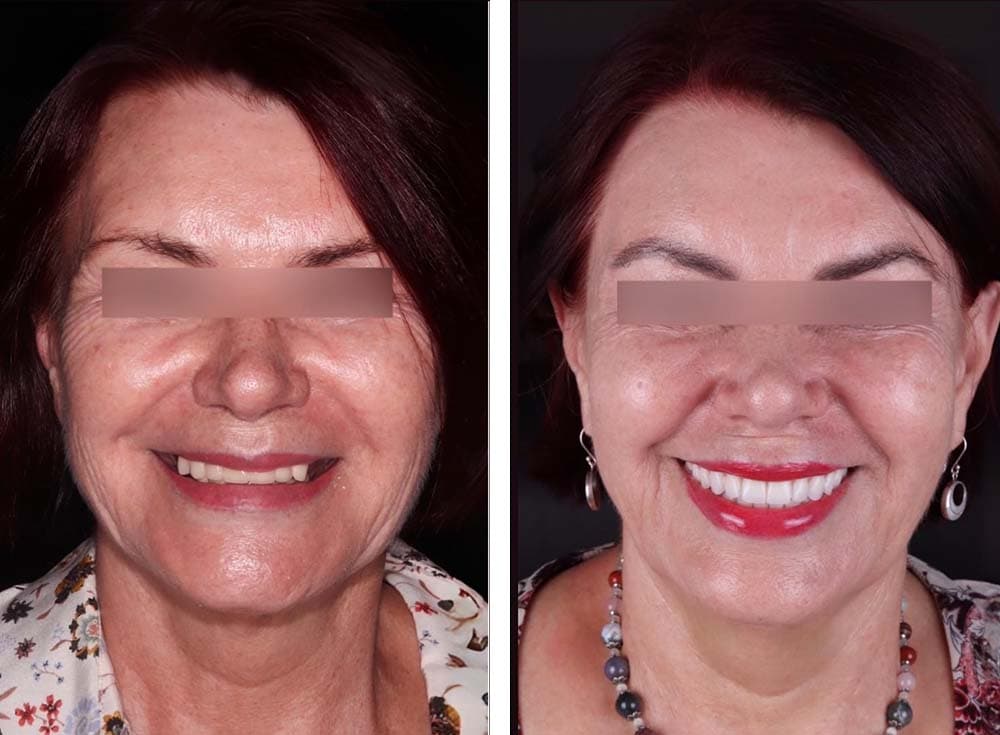
A dental bridge—clinically, a fixed partial denture—is a non-removable prosthesis that replaces one or more missing teeth. The replacement tooth is the pontic; the teeth, roots, or implants that support or retain it are abutments. That vocabulary does not select a treatment. A responsible plan first diagnoses the entire space and dentition, then compares replacement with observation and other appropriate pathways. The recommendation depends on the condition of potential supports, anatomy, periodontal and pulpal health, caries risk, bite, appearance, tissue form, ability to clean, medical factors, time, cost, and the patient's priorities. A webpage cannot determine candidacy or establish that a particular design is offered by a practice.
For
01
Someone with one or more missing teeth who wants to compare fixed, removable, implant-supported, orthodontic, and observation pathways.
02
A patient whose neighboring teeth already have restorations, decay, cracks, root canal treatment, or periodontal findings that may change the value of using them as supports.
03
Someone seeking a second opinion about preparation, a resin-bonded or cantilever design, implants, grafting, appearance, bite, hygiene access, or long-term maintenance.
01 — Diagnose the space and the whole dentition
History, symptoms, the reason for tooth loss, neighboring and opposing teeth, pulp and periodontal findings, caries activity, tissue and ridge form, bite, restorative space, medical factors, and patient priorities are assessed before a bridge is selected.
02 — Decide whether and when to replace
No treatment with observation may be reasonable in selected circumstances, but it is not automatically neutral. Function, appearance, tooth movement, opposing-tooth change, future treatment, and the value of baseline records are considered without exaggerating what will happen if a space remains.
03 — Compare foundations and alternatives
Conventional tooth-supported, resin-bonded, cantilever, implant-supported, removable, and selected orthodontic pathways have different biological, mechanical, esthetic, surgical, financial, and maintenance consequences.
04 — Design support, contours, and cleanability
The number and distribution of supports, connector dimensions, restorative material, pontic form, tissue contact, contacts, bite, appearance, and access for plaque control are planned as one system rather than isolated parts.
05 — Prepare, provisionalize, and verify
Depending on the design, treatment may include tooth preparation, bonding, implant care, impressions or scans, a provisional phase, laboratory fabrication, and delivery checks for fit, contacts, tissue relation, appearance, speech, and function.
06 — Maintain and reassess
The bridge, its supports, surrounding tissues, hygiene access, and bite require individualized home care and professional review. Biological and technical complications can require adjustment, repair, endodontic or periodontal care, or replacement.
Bridge decision guide
The gap is visible. The real decision is what should carry the load around it.
A strong consultation identifies what is missing, what remains healthy enough to support treatment, which structures should be preserved, what each option asks of the patient, and how future cleaning, repair, and replacement will work. It should make uncertainty visible instead of disguising it as a product recommendation.
Bridge, pontic, abutment, and retainer describe different parts
A fixed dental prosthesis replaces one or more teeth and is attached to natural-tooth or implant supports. The pontic is the replacement tooth. An abutment is a supporting tooth, root, implant body, or implant component in its specified context; a retainer is the part that connects the prosthesis to that support. Naming the parts prevents a common misunderstanding: the visible replacement and its biological foundation are not the same thing.
Leaving a space is an option—not a prediction of disaster
The American College of Prosthodontists includes no intervention among patient-specific options. A space may be associated with changes in tooth position, opposing-tooth eruption, function, appearance, ridge form, or future planning, but the likelihood and importance vary. Observation should be an active plan with appropriate baseline records and review, not neglect; replacement should not be justified with fear or a universal claim that every space must close or destabilize the bite.
A conventional tooth-supported bridge uses prepared teeth
In a conventional design, crowns or other retainers on abutment teeth support the pontic. This can be reasonable when those teeth already need substantial restoration or when site and patient factors favor a tooth-supported path. It also removes tooth structure and transfers responsibility to the abutments. Their restorability, pulp vitality or prior endodontic treatment, periodontal support, caries risk, alignment, span, and loading must be assessed. Possible future consequences include sensitivity, pulpal injury, endodontic treatment, caries, loss of retention, fracture, and loss of an abutment.
A resin-bonded bridge is more conservative, not consequence-free
A resin-bonded fixed dental prosthesis uses one or more bonded retainers—often described as wings—and usually requires less preparation than conventional full-coverage retainers. It is most defensible in selected spaces with suitable enamel, support, isolation, restorative room, and loading. Debonding is a recognized complication. Evidence suggests that retainer number and design matter, especially in anterior applications, but pooled studies do not create a universal one-wing rule or make every patient a candidate.
Cantilever describes support from one side
A cantilever extension projects beyond its abutment without another support on the far side. The term can apply to different fixed designs and materials; it does not mean an easier bridge. Tooth position, direction and magnitude of load, connector design, span, parafunctional behavior, tissue form, and the prognosis of the support are critical. Contemporary evidence for ceramic cantilever resin-bonded prostheses is mainly relevant to selected situations and should not be generalized to posterior or multi-unit spans.
An implant-supported bridge changes—not eliminates—the risks
Implants can support a fixed bridge without preparing neighboring teeth, but they introduce surgical, anatomical, biological, restorative, and maintenance decisions. Site anatomy, growth, medical and periodontal factors, hygiene access, implant distribution, restorative position, tissue and bone needs, and future whole-mouth planning matter. Components can loosen, wear, chip, fracture, or lose retention; implants can fail to integrate or develop peri-implant disease. Neither an implant nor a tooth-supported bridge is universally superior.
A removable partial denture is a legitimate comparison
A removable partial denture replaces one or more teeth and can be removed and reinserted by the patient. It may avoid some irreversible preparation or surgery and can replace multiple spaces, but support, stability, bulk, adaptation, appearance, speech, tissue loading, clasp or attachment design, food retention, and daily cleaning are different from a fixed prosthesis. Small unilateral removable designs may carry aspiration risk and require particular caution. Removable does not mean temporary, inferior, or appropriate by default.
Orthodontic space closure is selective and interdisciplinary
In selected developmental or position-related spaces—most notably some missing maxillary lateral incisors—orthodontic movement may close or redistribute the space before restorative finishing. Tooth shape and color, root position, gingival architecture, bite, growth, treatment burden, and long-term retention influence the choice. Comparative studies are heterogeneous and commonly retrospective, so an apparently favorable average cannot replace joint orthodontic-restorative diagnosis.
Records and imaging must be proportional to the question
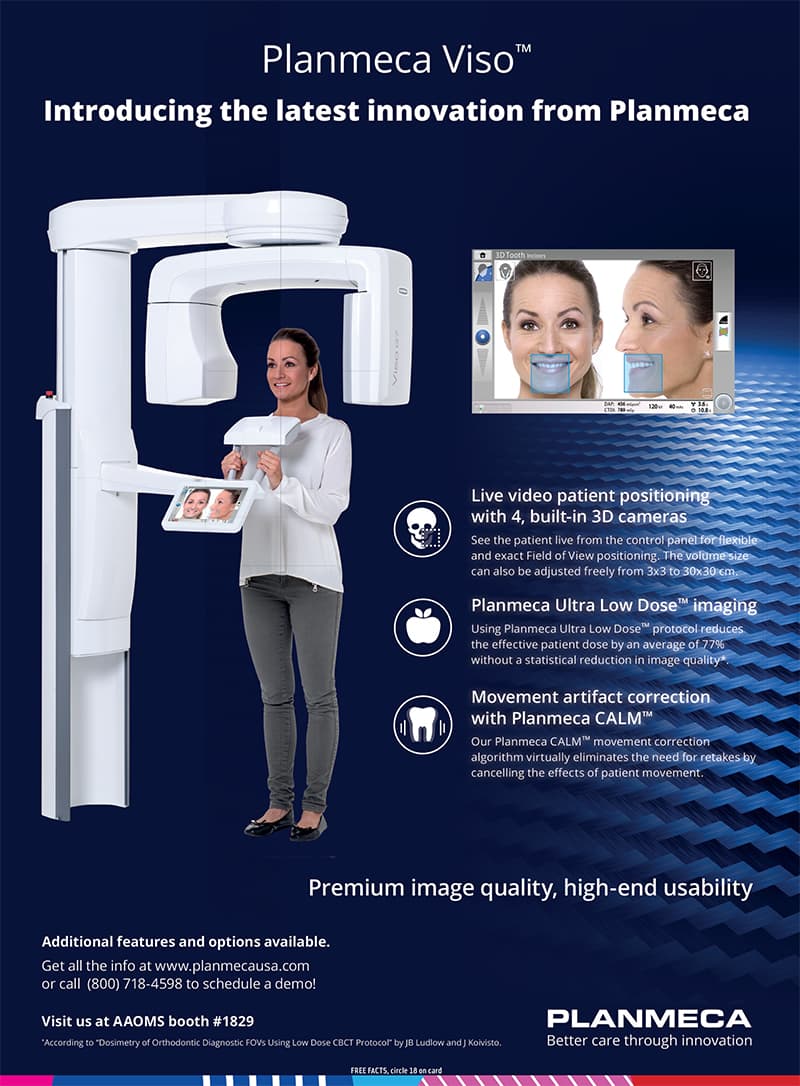
Examination may be supplemented by photographs, periodontal and pulpal findings, bite records, diagnostic models or scans, and radiographs selected for the decision. Cross-sectional CBCT can be relevant to implant or anatomical planning when three-dimensional information is needed; it is not a routine requirement for every conventional bridge. Imaging field of view and exposure should be justified and optimized, and the record set must be interpreted in the context of the whole patient.
Provisional and laboratory phases test more than appearance
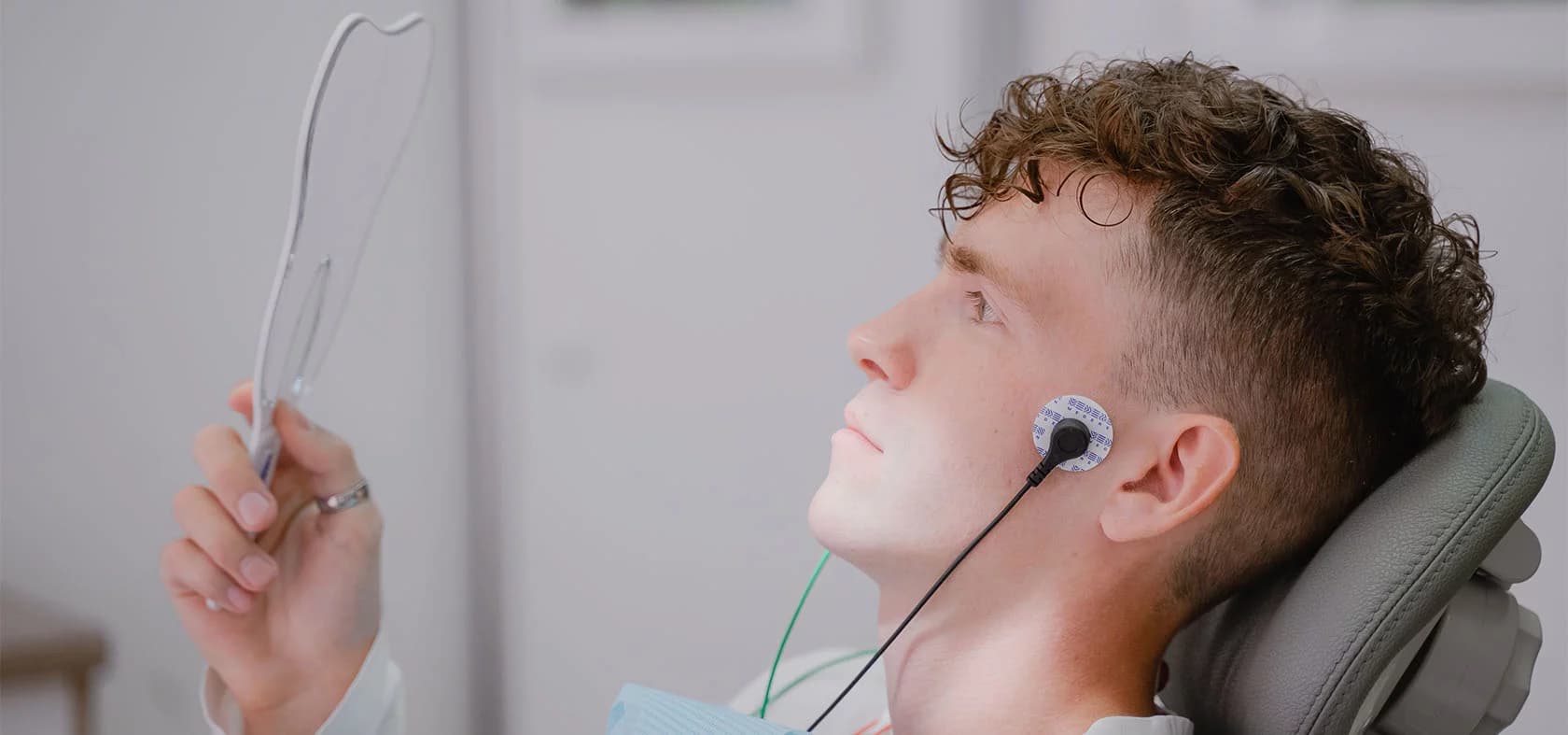
Prepared teeth may need a provisional restoration while tissues, comfort, contours, contacts, speech, bite, or laboratory work are evaluated. Definitive delivery includes verification of fit, retention, proximal contacts, pontic-tissue relation, cleansability, appearance, phonetics, and static and functional contacts. Digital capture and fabrication methods can support the workflow, but they do not prove same-day treatment, eliminate adjustment, or replace clinical verification.
Materials have different complication profiles—not a universal ranking
Metal-ceramic, all-ceramic, metal, composite, and hybrid systems differ in optical behavior, space requirements, bonding or cementation, connector design, wear, chipping, framework fracture, repairability, and evidence depth. Recent systematic review evidence indicates that survival and remaining complication-free are not the same outcome and that material-specific problems differ. A material should be matched to the design and patient; terms such as strongest, best, metal-free, or lifetime require evidence and context that a generic webpage cannot supply.
Pontic contours and maintenance are part of treatment
A pontic must balance tissue relation, appearance, speech, food flow, and access for cleaning. Margins and contours that retain plaque, impinge on tissues, or cannot be maintained can contribute to inflammation or biological complications. Home care may require threaders, specialized floss, interdental brushes, water irrigation, or other individualized aids. Professional review evaluates caries, pulp and periodontal status, mobility, tissue response, retention, connectors, material integrity, contacts, bite, and the patient's ability to clean.
Risks, warning signs, and uncertainty belong in the plan
Possible issues include sensitivity, pulpal inflammation or loss of vitality, need for endodontic treatment, recurrent caries, periodontal inflammation or recession, abutment or root fracture, loss of retention or debonding, connector or framework fracture, chipping, wear, screw loosening, implant complications, food trapping, tissue pressure, esthetic or phonetic dissatisfaction, and future repair or replacement. New swelling, fever, trauma, severe or escalating pain, or a loose or broken prosthesis warrants prompt professional assessment. Difficulty breathing or swallowing or another life-threatening emergency requires emergency services; in the United States, call 911.
Continue the evaluation
Clinical reading
General information only. Diagnosis, treatment, risks, alternatives, and expected recovery are individual and require a clinical evaluation.
- ADA MouthHealthy: Bridges ↗
- ADA: Glossary of Dental Clinical and Administrative Terms ↗
- ACP: Posterior Single Tooth Replacement ↗
- Systematic review: Tooth-supported multi-unit fixed dental prostheses ↗
- Systematic review: Resin-bonded fixed dental prostheses ↗
- Systematic review: Ceramic cantilever resin-bonded prostheses ↗
- Systematic review: Orthodontic space closure versus prosthetic replacement ↗
- AAP/EFP: Dental prostheses and periodontal factors ↗
- ACP/ADA: Recall and maintenance of dental restorations ↗
- Scoping review: Implant-supported fixed dental prosthesis complications ↗
A responsible bridge plan should make six things clear: the diagnosis, whether the space needs treatment now, what will support the replacement, which alternatives remain, which biological and technical risks matter, and how the prosthesis and its foundation will be cleaned, reviewed, repaired, or replaced.
Request a visit